
Have you ever stopped to think that technology can completely transform the way you see and organize your space? Artificial intelligence has come to revolutionize home decor, offering practical solutions that go far beyond what you imagined possible.
Many people believe that using AI to decorate is a science fiction thing or something very complex that requires in-depth technical knowledge.The truth is that decorating your home with artificial intelligence has become accessible, intuitive and extremely functional, allowing anyone to visualize transformations in the environment before making any real investment in furniture or renovations.
The Top Myths About Decorating with AI
One of the most common myths is that AI will create generic, personalityless designs for your home. In reality, when you feed these systems with information about your tastes, your preferred colors, your lifestyle, and your specific needs, the result is completely personalized and reflects your identity. AI does not replace your creativity; it amplifies your ideas and makes them more viable.
Another frequent misconception is that decorating home with AI is extremely expensive and inaccessible to most people. There are several applications and platforms that offer free versions or at very low costs, making this technology democratic and available for different budgets. Some tools allow up to 10 or 20 free views before charging any amount.

Projeto de casa por IA, DecAI™
Smart AI DEV
Many also think that the machine will ignore the real physical characteristics of your space and propose solutions impossible to implement. Modern tools can analyze dimensions, natural lighting, door and windows through simple photos taken with your smartphone, ensuring that the suggestions are feasible and respect the limitations of the environment.
The Proven Truths About Using AI in Decoration
The first unquestionable truth is that you save significant time in the decision process. Instead of spending hours browsing decorating sites, you feed the AI with your photo and receive multiple proposals in minutes. This time saved can be redirected to perform the real changes in your home or to other important activities of your life.
It is absolutely true that AI provides a realistic preview of transformations. This ability to "see" the result before you start eliminates much of the uncertainty and risk of costly errors.You can test different color palettes, furniture types and layouts without any financial commitment, learning more about what works visually in your space.
Another proven truth is that these tools encourage better informed and conscious decisions.When you visualize how a piece of furniture fits into your specific space, how color behaves with the light of your environment and how different elements work together, you make much more assertive decisions.
AI really works well for different decorative styles, from minimalist to boho, industrial, classic or contemporary. Modern systems can recognize and respect different aesthetic languages, adapting their suggestions as you specify your preferences. This means that there is no single "type" of decoration that works best with this technology.
How to Use AI to Transform Your Environments Step by Step
The first step is to choose a reliable platform that uses artificial intelligence for decoration. You can find options that work as mobile applications, web platforms or even integrated into mobile e-commerce sites. Search for reviews, see examples of previous work and choose one that offers the modality that makes the most sense to you, whether free or paid.
After choosing the tool, capture high-quality photos of your environment. Use natural lighting during the day, shoot from different angles, include walls, floors, windows and any fixed element of space.The better and clearer your photos are, the more accurate the AI's work in understanding your environment and offering viable suggestions.
Feeding the system with information about your preferences is crucial to get results aligned with your taste. Describe which style you prefer, what types of colors match your temperament, what your priorities are (comfort, aesthetics, functionality), if there is someone with special needs that should be considered. The more details you provide, the more personalized and appropriate the result will be.
Set a budget within the system when the platform allows. AI can adjust its furniture recommendations, decorations and renovations to fit the values you can invest. This prevents you from receiving suggestions for expensive solutions that do not match your financial reality.
Generate the views and study each one carefully.Do not choose the first option just because it appeared first; consider the different proposals, analyze how each element works in your specific space, and reflect if you really feel comfortable with the suggested choices.
When you find a view you love, save it and use it as a reference for your actual purchases.Many platforms allow you to click on the suggested items and be redirected to stores where you can purchase them.
Uncovering Features that AI Really Delivers
The ability to test color palette is one of the most valuable features you find on these platforms. You can visualize how a specific color you are thinking of using will behave on the walls, floor, furniture or details of your space. This eliminates that classic dilemma of choosing a beautiful color in the store and find that it does not match when you get home.
Many systems offer the virtual rearrangement function, allowing you to change the arrangement of furniture without physically fidgeting anything. You can explore different settings, test whether that sofa looks better facing the window or the television, and set the optimal layout before committing to heavy moves. This function saves hours of physical work and helps you optimize the available space.
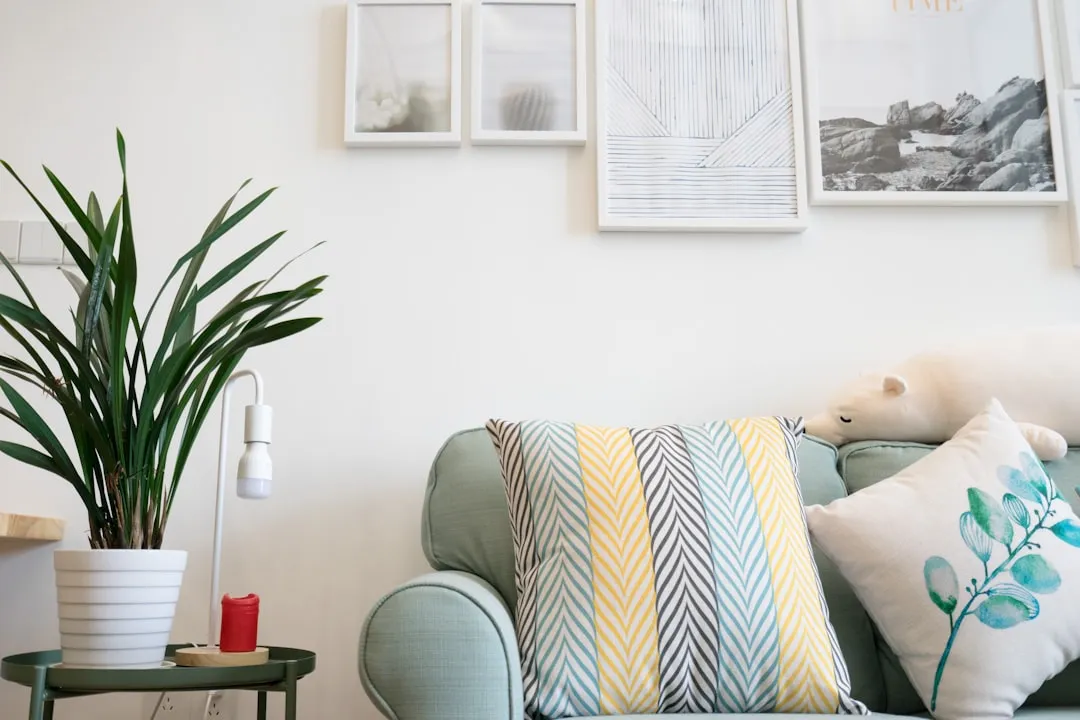
AI can assess how natural light in your environment works at different times of day and how different types of artificial lighting (LED, incandescent, spots) affect the perception of space. This helps you choose the right lighting to create the environment you want, whether it is more cozy or more energetic.
Some systems can integrate data on sustainability and environmental impact of decorative choices.You receive information about eco-friendly materials, furniture made with renewable or recycled resources, and can make decisions more aligned with your environmental values while decorating your space.
Mistake Versus Right: What Really Changes in Practice
Many believe that any suggestion from AI is automatically good and should be followed faithfully. This is a significant mistake because AI offers suggestions based on established design patterns, but you know your space, your lifestyle, and your needs better than any algorithm.
Another common misconception is that a single AI-generated visualization is the ultimate solution for your space. In fact, you should generate multiple visualizations with different parameters, explore various possibilities and combinations, before making your final decisions.
Where many get it right is precisely in the recognition that AI is a complementary tool, not a replacement for your personal judgment.The best results happen when you combine the suggestions of technology with your knowledge of space and your genuine preferences.
As for the question of financial investment versus outcome, the truth is that even free platforms can deliver significant value. You can take tests, understand more about your preferences, and when you find that this approach works, consider premium versions that offer more advanced functionality.
Differentiating Myths from Realities in the Decoration Universe with AI
There is a belief that only design professionals and architects can use AI tools for decoration effectively. This is completely false; the best platforms are developed precisely to be accessible to people without technical experience.The interfaces are intuitive, the processes are guided step by step, and you do not need to understand anything about programming or professional design to get excellent results.
Another problematic myth is that AI will deliver a "perfect" decor that leaves no room for your personal creativity or further tweaks.This is a limited understanding of how technology works; it offers a professional starting point, but you remain at complete freedom to add personal touches, plants, art, objects with emotional significance or any element that truly reflects who you are.
The often overlooked reality is that AI learns from you during the process. The more you interact with the platform, provide feedback on what you like or dislike, and refine your parameters, the more accurate and aligned with your desires the system gets.
It is also true that not all decoration AI works the same. Different platforms have different capabilities, distinct interfaces, and databases of furniture and varied decorations.Exploring different options, testing some platforms, and finding the one that works best for your type of space and your specific preferences is a completely valid and recommended process.
A truth that many are unaware of is that AI can handle challenging spaces very well.If you have a small space, with low light, with irregular layout, or with any feature that makes decoration more difficult, AI can just be your greatest ally, offering creative solutions that maximize the potential of your environment.
Implementing Changes Based on AI Suggestions
After generating visualizations that you liked, the time has come to turn these ideas into reality. The first practical step is to create a visual document compiling all your final choices.This can be done through printscreens, screenshots or even impressions of the visualizations that you plan to implement. This document becomes your reference during the shopping and decorating process.
Establish a logical order of implementation based on visual and practical impact. It usually makes sense to start with the larger, more structural elements, such as redecorating walls or changing main furniture, and then add smaller elements such as accessories, art and decor. This approach avoids you having to make adjustments multiple times.
When shopping, use the AI suggestions as a guide but keep flexibility.If you find an alternative that offers better quality, more affordable price, or something you simply like more, feel free to make these substitutions. AI has offered direction and inspiration; now you have the autonomy to make the final choices that best serve your situation.
Document the implementation process by taking pictures of your space as it changes. Compare photos of the before with the progress during and the end result is rewarding and helps you understand what worked, what could have been done differently, and what you learned for future decorations.
After implementing the changes, allow yourself a period of adaptation. Sometimes a decor takes a few days for you to get used to and truly appreciate. If after this adaptation you still have doubts about certain elements, then yes, consider making adjustments.But often you will find that AI-based suggestions work better than you expected once implemented in real space.
AI technology for home decor is transforming the way people think, plan and implement change in their spaces. You now have access to tools that simplify complex decisions, save time and money, and offer professional visualizations before any real commitment.Start by exploring the options available, test the technology, and discover how decorating your home with AI can be an empowered, creative and surprisingly accessible experience for anyone who wants to transform their environment.