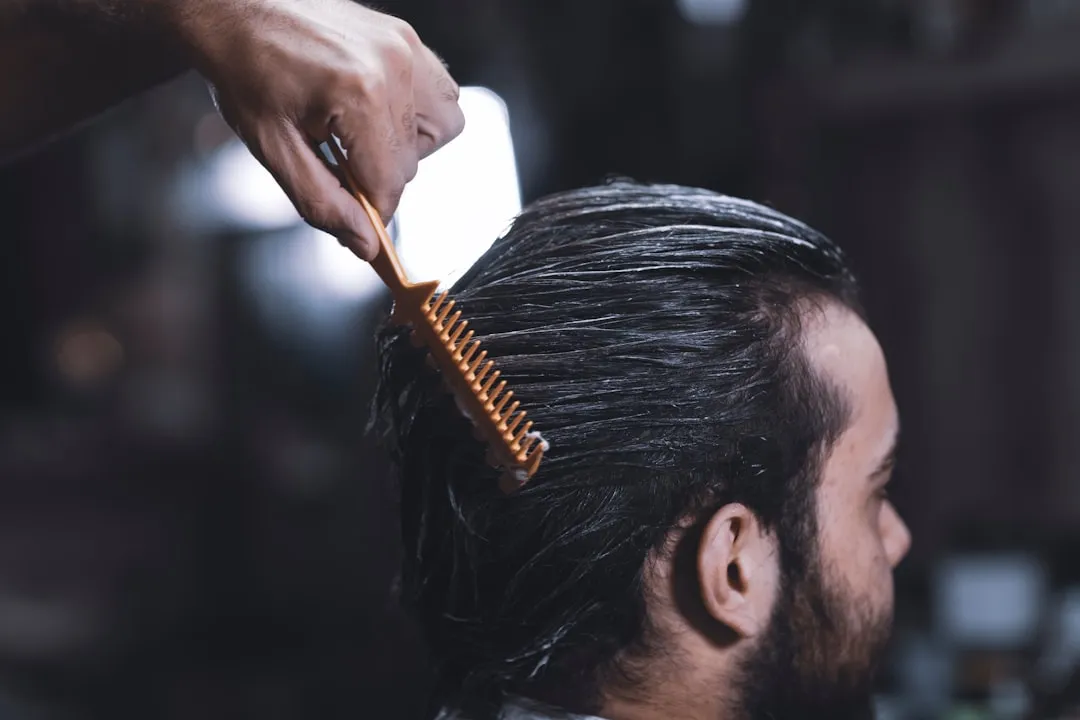
The haircut is more than a simple change of look. It defines your presence, communicates your style and offers an immediate impact on your self-confidence and overall appearance.
You may not realize it, but every detail of the cut you choose affects how you present yourself to the world. The correct technique, applied by a qualified professional or by yourself with proper knowledge, transforms not only the hair, but all your personal energy.In this practical guide, you will understand the advanced strategies to choose, perform and maintain the ideal cut for your hair type, face shape and lifestyle.
Understanding the Format of Your Face
Before anything, you need to recognize the shape of your face, as this determines which cut will work best for you. The main formats are round, square, oval, rectangular and heart-shaped. Each of these formats has distinct characteristics that require different approaches.
For a round face, you should look for cuts that create height at the top of the head and do not add volume on the sides. Cuts with medium length, lateral fringe and layers provide visual stretching. For square faces, you want to smooth strong jaw lines with cuts that bring movement and texture, avoiding very straight lines.
The oval face is considered the most versatile, as you can use almost any cutting style successfully.Rectangular faces benefit from cuts with volume on the sides and long bangs that reduce visual height.For heart-shaped faces, you need to add volume on the lower sides to balance the forehead and narrower chin.
Types of Classic and Modern Hair Cuts
You should know the main types of cuts available to make an informed decision. The gradient cut is one of the most sought after today, as it offers a smooth transition between different lengths and works well on various types of hair. You can adjust the intensity of the gradient according to your hair type and aesthetic preference.
The bob is a timeless classic that never goes out of style, presenting multiple variations from the traditional to more modern and shredded versions. You can opt for a straight bob, a wavy bob or an asymmetrical bob depending on what you want to communicate with your look. This cut offers practicality in everyday life and is easily maintained with basic care.
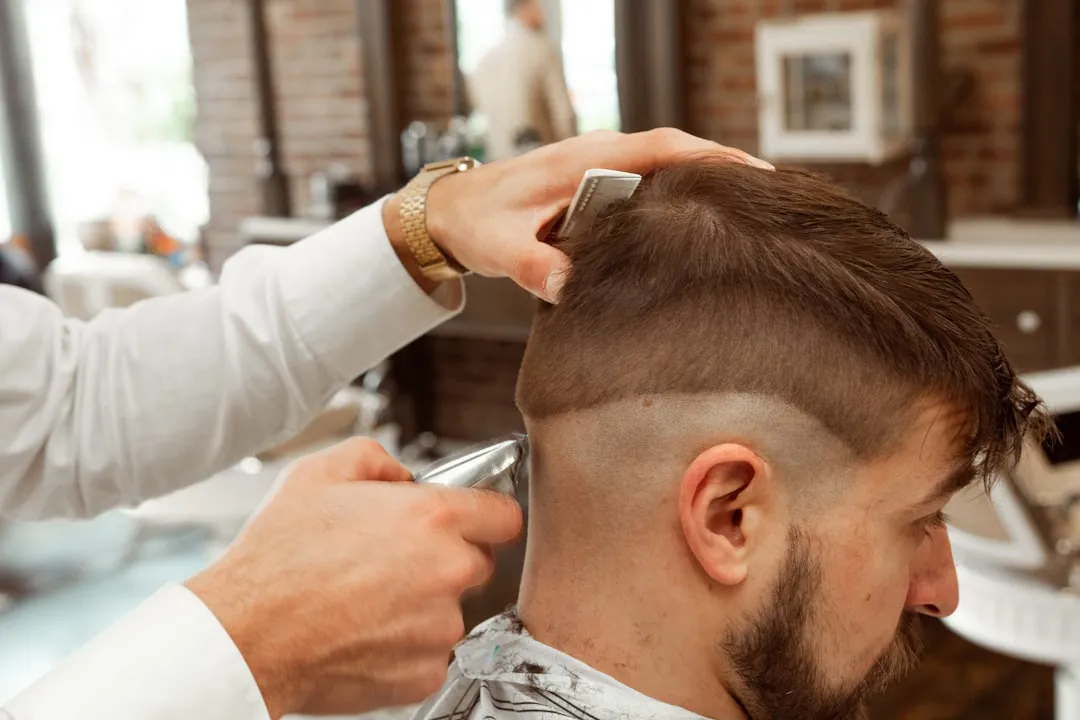
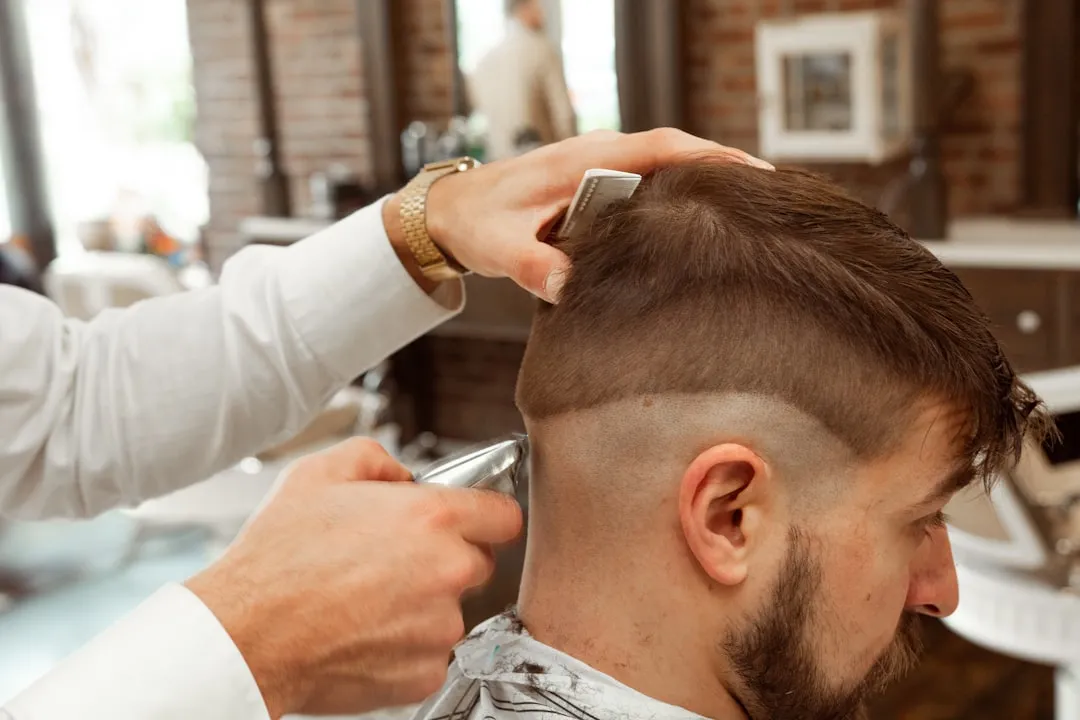
If you are looking for something longer, the long bob or lob is an excellent option that combines the best of both worlds between length and practicality. The shag is another modern cut that has gained prominence and offers texture, movement and a relaxed look perfect for those who want something different. You can also consider the undercut, which is aggressive, modern and allows creativity with designs on the torn sides.
Advanced Strategies in Choosing the Ideal Cut
You should go beyond simple visual consultation and apply advanced strategies to ensure that the chosen cut is really appropriate for you. The first strategy is to analyze your hair type in detail: whether it is smooth, wavy, curly or very curly, as the cut should work with the natural structure, not against it. Smooth hair require different techniques of curly hair, and ignoring this results in daily frustration.
The second strategy involves considering the time you devote to hair maintenance. If you do not have time for dryer and straightener daily, choosing a cut that depends on these tools is a strategic mistake.You need to choose cuts that work well with your lifestyle, otherwise you will abandon maintenance quickly.
The texture of your hair should also inform your decision.You with thin hair should not choose too long cuts without layers, as this leaves the hair appearing to be flattened and weak. Thick hair, on the other hand, benefit from cuts with thinning techniques to create movement and avoid excessive volume. Clearly communicate your hair type to the professional is essential to achieve better results.
Effective Communication Techniques with the Hairdresser
You need to master the art of communicating exactly what you want to your hairdresser, as this will eliminate much of the misunderstandings that result in unsatisfactory cuts. Bringing visual references is key: photos of people with similar cuts help establish a shared vision between you and the professional. Avoid using vague terms like "a little shorter" and be specific in terms of lengths, layers and techniques.
You should openly discuss your time limitations and resources for maintenance before the cut begins. If you will not do progressive or use straightener regularly, the hairdresser needs to know this to choose appropriate techniques. This honest conversation is what sets really good professionals apart from those who just cut without considering the reality of the client.
During the process, you can ask questions about specific techniques being used and how to keep cutting at home. Quality professionals love to educate their customers and provide practical tips. Taking photos of the final cut from different angles is smart as it helps you remember the look when you are doing future maintenance.
Practical and Lasting Maintenance of the Cut
You can not just cut and forget, as the correct maintenance determines how long the cut remains beautiful and well defined. Maintenance should begin immediately after the cut with the choice of the right products for your hair type. Shampoos specific to your hair type prolong the life of the cut and maintain the movement and texture that the professional has created.
You should return to the hairdresser every 4 to 8 weeks, depending on the type of cut you have chosen. Short cuts need more frequent maintenance to maintain the defined shape, while long cuts can be left for longer if you are growing. This regularity is the secret that professionals keep and what you should implement for consistent results.
Home care is equally important in the advanced maintenance strategy.You should learn to dry your hair in a way that accentuates the cut and does not undo it. Using a dryer with directional concentrator, working section by section and finishing with cold air helps to create a long-lasting shape. Investing in a good wooden comb or ceramic brush protects your hair during drying.
Cut Optimization for Different Lifestyles
You should think strategically about how cutting integrates with your daily routine and regular activities.If you train a lot, sweat often, or spend time in the water, choosing a cut that resists sweat and moisture well is smart.Shorter or very textured cuts handle these environments better than smooth cuts that tend to stick to your face when wet.
Professionals in formal corporate environments may need more conservative and well-defined cuts that convey professionalism and reliability. You in this context can opt for structured bobs or refined gradient cuts that show attention to detail. On the other hand, if you work in a creative environment, you have more freedom to explore innovative and bold cuts that express your personality.
Also consider your natural hair type versus the amount of manipulation you want to do. You who have natural curly hair can choose between enhancing the curls or processing the hair for something different, and this decision completely affects the type of cut that works best. Accepting and enhancing what you have naturally saves you time and money on long-term maintenance.
Contemporary Innovations and Trends in Haircuts
You should be aware of contemporary trends without being enslaved by them, as the best cut is the one that works for you and not just the one that is fashionable. Current trends include very textured cuts that emphasize natural movement, more exposed hair with thread and less overall length in a practical way. You will see many professionals adopting cutting techniques based on 45-degree angles that create this desired movement.
The minimalist approach to coloring is gaining traction, with more people opting for their natural hair tone or subtle highlights that look naturally grown. You can use this trend to your advantage by reducing the damage caused by frequent chemical processes while maintaining sophisticated look. The current focus is on hair health and aesthetics that works with natural texture.
You will also see a return to vintage style reinterpreted in a contemporary way, with cuts like the very short fringe and asymmetrical styles gaining popularity again. Professionals are increasingly focused on custom cuts that honor what is natural to the customer while exploring their unique aesthetic preferences.
Advanced optimization of modern cuts involves considering not only length and shape, but also how cutting works with modern styling technology such as ion dryers, flat iron and nanotechnology products.You who invest in good tools can maximize the potential of any cut you choose. Top professionals now recommend products and techniques based on what you will actually use at home, creating a synergy between professional and customer.