Artificial intelligence is revolutionizing the way you plan and perform haircuts. AI tools analyze your hair type, face shape, and aesthetic preferences to suggest ideal styles before you even sit in the barber's or hairdresser's chair.
When you use these technologies inappropriately, however, the result can be frustrating and damaging to your personal image. This article shows you the most common mistakes you make when using artificial intelligence to choose haircuts, as well as practical strategies to avoid them and make the most of this innovative technology.
Why AI for Haircuts Is Rising
You've probably felt that anxiety when deciding on a new cut without knowing for sure how it would look on your face. Artificial intelligence solves this problem by processing millions of images, facial features and hair types to offer personalized recommendations.Platforms like Iouks feature tools that use computer vision to map your facial proportions and match them with style trends.
The great benefit lies in accuracy: you can visualize the end result before making any permanent commitment to scissors or razor. This dramatically reduces the risk of disappointments and allows you to make more informed decisions about your appearance. Many hairdressers already adopt these technologies in their studios precisely because they increase customer satisfaction and decrease complaints about unexpected results.

Cortes de Cabelo com IA
Bizo Mobile
Mistake 1: Ignoring Your Real Hair Type
One of the most frequent mistakes you make is not correctly telling the AI system what your hair type is. If you mark it as "flat hair" when you actually have curly or wavy hair, the AI will provide suggestions that are completely misaligned with your physical reality. The algorithm works with data, and inaccurate data generates inaccurate recommendations, no matter how advanced the technology.
When you use platforms that offer AI analysis, such as Iouks, take a few minutes to describe your hair accurately: thickness, texture, frizz level, porosity, and curling pattern or curls. Cuts that work perfectly on straight hair can look clumsy on curly hair, as the structure of the hair completely affects how the style manifests.
Mistake 2: Trusting Celebrity Photos Only
You see a cut that the celebrity is wearing and thinks: "I want it exactly like that". AI can even adapt the celebrity image to your face using facial morphing techniques, but this approach ignores crucial contexts that you don't control. Celebrities have access to professional makeup artists, studio lighting, premium hair products and even extensions or appliques that you didn't mention.
The mistake happens when you stick to a single visual reference without considering the real conditions of your everyday life. If you work in a conservative corporate environment, a radical celebrity cut may not be suitable, as much as it looks flawless in the photo. Use AI to generate several trend-inspired options, but select the one that matches your personal style, your professional environment and your willingness to devote time to daily hair maintenance.
Mistake 3: Not Considering Specific Facial Proportions
You can have a square, oval, round, triangular or rectangular face, and each shape demands different cutting approximations.Some styles that work beautifully on oval faces can make a round face look wider.Modern artificial intelligence can map these proportions and recommend cuts that lengthen, shorten or visually balance your face depending on the facial geometry you have.
The error occurs when you ignore this analysis of proportions or do not provide clear photos for the system to correctly map your facial format. If you send only selfies from high angles and with a lot of makeup, the AI will have difficulty establishing the real measurements. Take frontal and side photos without filters, with hair stuck and natural lighting so that the algorithm understands exactly how your face is structured and recommends cuts that harmonize its characteristics.
Mistake 4: Neglecting Future Cut Maintenance
You see a flawless cut in AI simulation and don't think about how to maintain it over time. Some styles require frequent trips to the hairdresser (every two or three weeks), while others grow gracefully and allow longer intervals between maintenance. If you choose an intensive maintenance cut but have no availability or budget for regular visits, the actual result will quickly decline relative to the simulation you approved.
When using AI tools for cutting, you should honestly consider how much time and money you are willing to invest in monthly maintenance. Some asymmetric cuts, very marked gradients or progressive fronts require frequent retouching to maintain the look. You avoid this frustration when talking to the hairdresser not only about the cut itself, but about the level of commitment that the style requires and whether your routine allows this care.
Mistake 5: Discard Recommendations Based on Personal Preferences
AI analyzes objective data and provides logical recommendations on what would work well with your proportions and hair type.However, you may have personal aesthetic preferences that differ from metric-based choices.If you have always felt better with slightly longer hair, no AI simulation recommending a short cut will change that sense of well-being you connect to hair size.
The mistake is in blindly accepting the suggestions of the machine or, conversely, in rejecting them completely without reflection. Use AI as a creative exploration tool, testing options that you might never consider alone, but always balance with your genuine tastes. If the AI recommends a bob but you historically feel insecure with your exposed face, stick with something longer that offers the same level of sophistication, but at a length that makes you comfortable.
Error 6: Using Poor or Outdated Quality Images
You send a photo from five years ago to the AI to analyze your face and hair type.In that interval, you have gained or lost weight, your skin has changed, possibly your natural hair tone has evolved with age. Artificial intelligence works with visual patterns present in the images you provide, so if this image does not represent your current state, the analysis will be inaccurate.
When you access platforms like Iouks that use AI for crop suggestions, always send recent, high-quality photos with good natural lighting and no filters. Blurred selfies or images you took in an environment with artificial light and strong shadows compromise the algorithm's ability to recognize your facial features accurately. You maximize the benefit of technology by investing a few minutes in capturing images that faithfully represent how you look today.
Mistake 7: Not Communicating to the Hairdresser About Simulation
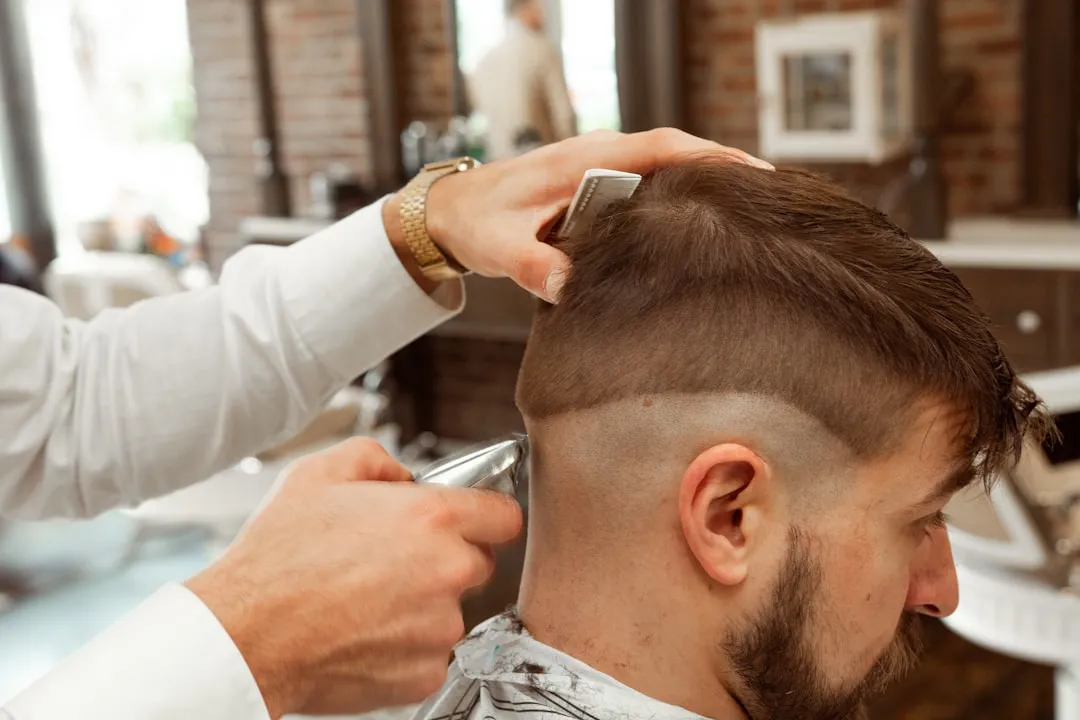
You arrive at the salon with the AI-generated simulation on mobile, but you cannot clearly explain what you want because communication is limited to the static image. The hairdresser may not fully understand what your intention was when choosing that cut or which aspects of the simulation were most important to you. This failure in communication is responsible for much of the disappointments with cut results.
The maximum benefit of AI occurs when you use it as a communication bridge between you and the professional, not as a replacement for this conversation. Show the simulation to the hairdresser and talk about it: explain why you chose that cut, what characteristics you want to maintain or adjust, how you want to style it on a daily basis. An experienced professional can offer practical adjustments to the simulation that make the result more appropriate to your routine and specific hair type.
Mistake 8: Expecting Similar Results to Simulation
The AI simulation is a theoretical representation of the cut in ideal conditions: perfectly dry hair, professional styling, studio lighting. You can expect the end result to be identical, but reality includes variables that no algorithm can fully anticipate. How you dry your hair at home, how it naturally falls out after a few days, and the style you can reproduce yourself are factors that push away the practical result of the original simulation.
You take a more realistic and satisfying approach when using AI as the general reference of the concept, not as pixel-perfect clone expectation.If the simulation showed an asymmetric fringe cut and you like the concept, but in practice the fringe gets too heavy on the eyes, talk to the hairdresser to adjust the density or length. Accept that AI offers direction, not exact destination, reduces frustrations and allows you to enjoy the cut actually performed.
Mistake 9: Ignoring the Professional and Social Context
AI recommends a cut based on aesthetic data, but completely disregards the context in which you live.If you work as a lawyer in a bank or in traditional corporate environments, a very evident undercut or a cut with scratch patterns demands careful evaluation.Not because the cut is not beautiful, but because it may not align with the expectations of professional appearance of your professional environment.
You avoid this mistake by actively thinking about the social and professional contexts you attend before confirming an AI-suggested cut. If the style is more alternative or avant-garde, consider whether you are comfortable being noticed by your appearance at work, in the family or in social gatherings.Technology does not judge cultural or professional contexts, it just optimizes aesthetically, so this assessment is up to you.
Mistake 10: Not Validating With Multiple Tools or Opinions
You use only one AI platform to generate your cutting simulations and completely trust your recommendations. Different systems work with different algorithms, varied databases and can produce very different suggestions from each other. If you test only one tool, you may be ignoring options that other platforms would consider equally viable or even superior for your case.
A more robust practice is to test multiple AI tools or platforms like Iouks and compare the recommendations you receive. If different systems converge to similar suggestions, you gain confidence in that direction. If they radically disagree, this signals that you should investigate more deeply why the disagreements.In addition, consider asking for opinions from friends, family or the hairdresser himself about the simulations before confirming your choice, as human perspectives capture nuances that machines can lose.
Real Benefits When You Avoid These Mistakes
When you use artificial intelligence for haircuts consciously and avoid the described errors, the benefits are significant and measurable. You drastically reduce the chance of being disappointed with the result, saving in terms of time spent on repeated attempts and errors, and increasing your level of personal satisfaction with your appearance. Customers of the Iouks platform report that this structured approach resulted in fewer trips to the hairdresser to "fix" unsatisfactory cuts.
The second benefit is aesthetic empowerment: you make more informed decisions about your appearance because you better understand how different cuts interact with your facial proportions and hair type. You get out of the situation of just trusting what the hairdresser suggests (although your expertise remains valuable) and start to actively participate in creating the result. This generates confidence in the choice even before sitting in the chair, and this confidence is reflected in greater satisfaction with the final result.
In addition, you save money by avoiding cuts that do not work and require expensive or frequent maintenance. If the simulation helps you realize that a cut would require a lot of maintenance time, you can choose something more practical from the beginning, saving monthly expenses with frequent trips to the salon. For those who invest in their personal or professional image, this savings added to the increase in aesthetic satisfaction completely justifies the time dedicated to a careful analysis with AI tools.
Recommended Practice: The Ideal Flow for Using AI in Hair Cuts
The ideal process starts with you gathering recent, good quality photos that show your face from the front and profile with natural hair in its ordinary state. You register on a platform that offers analysis with artificial intelligence, providing accurate information about your hair type, facial proportions and aesthetic preferences.Dedicate time to fully answer the questionnaires that these platforms offer, because the more data you provide, the more accurate the recommendations.
After receiving the simulations, you do not make an immediate decision. Instead, you let the images "rest" for a few days, analyze whether you still find that cut attractive when you are not emotionally impacted by the novelty. You show the simulations to close people whose aesthetic taste you trust and collect genuine feedback on which option seems more harmonious or appropriate. Finally, you make an appointment with the hairdresser and take both the simulation and your notes on what really attracts you in that cut, facilitating communication.
During the execution, you check with the professional at critical points: how is the symmetry, how the cut gets naturally dry hair after washing, if the size is exactly where you wanted. This real-time check allows adjustments while the cut is still in process, avoiding unpleasant surprises in the end. After the cut is ready, you learn from the hairdresser how to style it at home and what is the recommended interval for maintenance, turning information into lasting practice.
This structured flow truly harnesses the benefits that artificial intelligence offers for haircuts: safe creative exploration, clear communication with professionals, and informed decisions about personal appearance.You are not stuck with a single recommendation of the algorithm, but use technology as a tool that expands your creative possibilities within realistic parameters. Platforms like Iouks were developed exactly to support this kind of reflective and collaborative process, combining computational power with user wisdom.