You probably believe that haircut is just a matter of personal aesthetics, but this perception leaves aside fundamental aspects about how this choice impacts your overall appearance.The truth is that there are several myths and truths that surround the universe of modern haircuts, and knowing them makes all the difference when it comes to renewing your look.
Many people follow trends blindly, copying influencer cuts without considering your hair type, face shape or even the practicality of everyday life.This article unravels the main myths and truths about haircuts, helping you make more assertive decisions and aligned with your real needs.
The Myth of Perfect Cutting for All Hair Types
There is a common belief that a haircut that works well for one person will work for any other. In reality, this is completely false and represents one of the biggest misconceptions when it comes to hair aesthetics.Each type of hair has unique characteristics: thickness, texture, porosity and different natural volume. A cut that enhances the beauty of straight hair can be disastrous in curly hair, and vice versa.
The truth is that you need to consider your specific type of hair before choosing any style. Thin hair requires cuts that create an illusion of volume, such as strategic layers and light bangs. Already thick hair benefits from more structured cuts that control frizz and provide better shape. Curly hair requires special dry cutting techniques, preserving the natural texture of the curl.
When consulting a professional, communicate exactly what your hair type is and ask for specific recommendations for its texture. This initial conversation with the hairdresser can be the differential between a cut you will love for months and one that you will have to contour with products or creative hairstyles.
The Truth About Viral Trends and Their Personal Suitability
Social networks explode every week with new hair cutting trends that promise to turn anyone into celebrity. The wolf cut, the very short pixie, the flawless long bob: they all look revolutionary when you see on the screen.However, an important truth emerges when you recognize that what works on one face may not work on another.
You should evaluate whether a trend really matches your face shape before implementing it. Round faces tend to benefit from more elongated or more moving cuts on the sides, while square faces can take advantage of fringed or layered cuts that smooth angles.Oval faces have the advantage of working well with almost any cut, precisely because of their harmonious proportion.
The big lie that the beauty industry sells is that you should simply copy the cut of the celebrity or influencer you admire. The truth is much simpler: you should adapt trends to your hair type, face shape and personal style. A good hairdresser will be able to take the element you loved in a viral cut and reinterpret it to your specific reality.
Myth: Short Hair Requires Less Maintenance
Many believe that opting for a short cut means getting rid of the work of caring for hair. This is a dangerous belief that leads many people to regret their choices.The truth is that short hair, especially very short styles or with many layers, often require more trips to the salon for maintenance of shape.
A pixie cut, for example, grows quickly and loses its structure in a few weeks if it is not trimmed regularly. You will need to return to the salon every 3 or 4 weeks to keep the style defined and beautiful. Already a medium or long cut allows more time between maintenance, and can reach 6 or 8 weeks depending on the speed of growth of your hair.
What really determines maintenance is the complexity of the cut and not necessarily the length. A simple short cut can be easier to maintain than a long one with many layers and texture. Before opting for a very short cut, consider your availability and budget for regular trips to the salon, as well as your willingness to do daily brushing if necessary.
The Truth about Modern and Timeless Styles
You may think that following current trends is a necessity to look modern and up-to-date. Reality is more nuanced: not every fashion cut is appropriate for your real life, and not every timeless cut is boring.
A good example is the long bob, the famous lob, which has been trending for years precisely because it works well for many types of hair and face. It is modern enough to look updated, but classic enough not to seem like you follow fashion blindly. The layered cut also remains relevant because it offers movement and volume without being as extreme as a pixie cut.
The key is to look for styles that balance your personal reality with current trends. When talking to your hairdresser, ask for suggestions on how to modernize a cut that you already know and that works well with you, instead of looking for a completely new cut just because it is on the rise.
Myth: A Good Haircut Solves Everything
Many people believe that a perfect haircut is the solution to all their appearance problems. This mistaken belief leads to disappointments when cutting alone does not completely transform the person.The truth is that a haircut is just one piece of the aesthetic puzzle, working together with color, hair care, brushing and even clothes and makeup.
An excellent cut performed on damaged and dull hair will not have the same impact as a good cut applied to healthy and well-hydrated hair. You need to invest in basic care such as regular hydration, use of appropriate shampoos and conditioners, and thermal protection if using hot tools.
In addition, hair color can change completely as a cut presents itself. A cut with many layers can look more refined with a coloring work that creates depth and visual movement. Brushing also makes a significant difference: the same cut can look chic when well brushed or sloppy when left unstyle natural.
The Truth about Consultation with Professional and Realistic Expectations
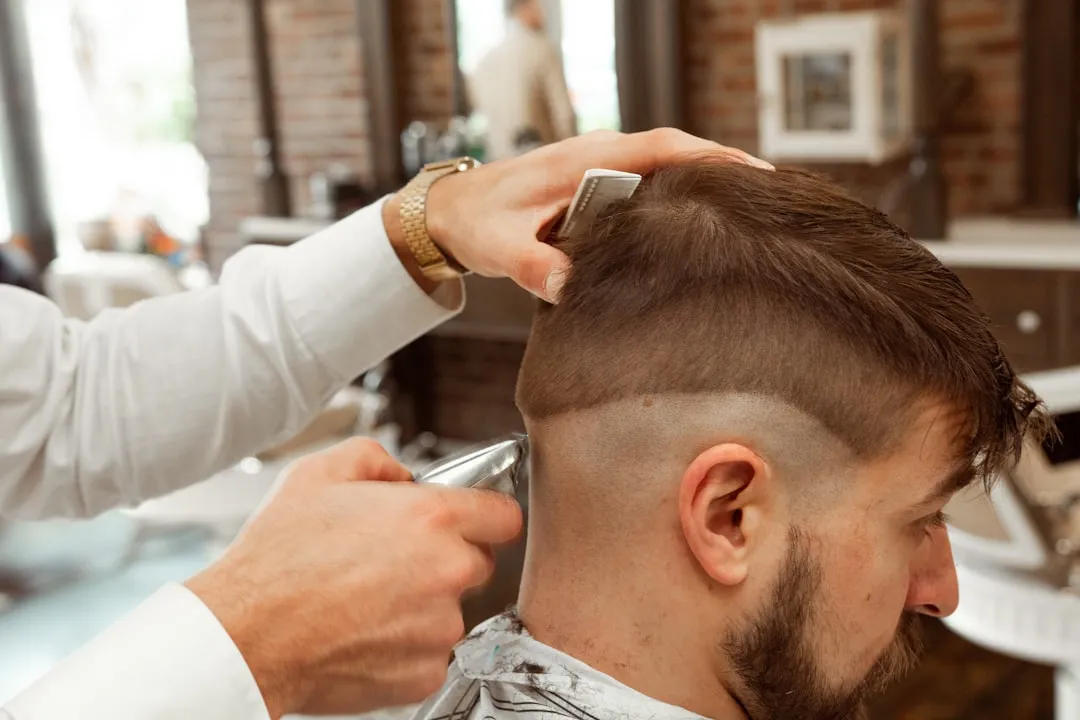
You can come to the salon with a perfect photo of a famous cut, hoping to leave just like it. This is a common practice, but it carries an important truth that many ignore: the photo does not consider your hair type, your daily style skill, and that cut may have had hours of professional work to look like this in the photo. The reality of everyday life is quite different from a photo shoot.
Taking the photo is great as a visual reference, but you should be open to suggestions from the professional about necessary adaptations. A good hairdresser will observe your hair, talk about your type of routine, how much time you devote to maintenance, and suggest adjustments that will keep the spirit of the cut you love, but suitable to your reality. This initial conversation is key to avoiding disappointments.
Set realistic expectations about how hair will behave in real life, not in photo shoots. Ask the professional how the daily routine of care will be, how long it will take to dry, whether it needs specific products, and how often it will need to return for maintenance. This practical information is as valuable as the aesthetics of the final cut.
Myth: Age Determines the Cut You Can Use
There is an ingrained belief that certain ages can only use certain cuts, as if there are invisible rules dictating what is appropriate at each stage of life. This is a lie that limits personal expression unnecessarily.The truth is that any cut can work at any age, provided it is well executed and suitable for the type of hair of the person.
You see more mature women with modern and impactful pixie cuts, just like young people use. Likewise, young women opt for classic and long cuts by personal preference.What really matters is whether the cut works with your hair type, complements your face, and makes you feel confident.
The beauty industry often uses age as a marker to push certain products and services, when in fact the choice of cut should be based on personal preference, hair type, lifestyle, and how the cut makes you feel. At 50, you have every right to wear a trendy cut if you wish, just as at 25 you can opt for something more classic.
The Truth About Cutting and Immediate Care
Many believe that leaving the salon is the end of the journey of a haircut, when in fact this is just the beginning of maintenance and care.In the first days after the cut, you should be aware of how your hair behaves, whether the length has stayed as expected, and if there is no need for small adjustments. Most good salons offer free retouching in the first 15 days.
Immediate care after cutting involves waiting at least a week before washing your hair, allowing the cut to "settle" naturally. When washing, use shampoos and conditioners suitable for your hair type, and consider using moisturizing mask twice a week. Frequent brushing with round brush helps keep the shape of the cut up to date.
You should also learn how to dry and style your hair in a way that enhances the cut that the professional created. Watch tutorials, ask the hairdresser how he dried and styled the hair on the way out, and replicate this process at home. A well-executed cut can look average if not well cared for, or spectacular if you devote adequate time to its daily maintenance.
Myth: Modern Haircuts Are Always Complicated
There is a perception that modern and trendy cuts require complicated techniques, special products, and a whole hour of drying every morning. This belief drives away people who want to look up to date but do not have time or willingness to elaborate routines.The truth is that many modern cuts are designed specifically to be practical and easy to maintain.
Natural textured cuts, such as the modern shag or well-executed wolf cut, are designed to work with the natural texture of your hair, not against it. You can dry it naturally or use a finger dryer quickly.Short, structured cuts are also practical, typically requiring only one hand to dry and shape.
The key is to communicate to your professional your real routine and your time limitations. Ask for cuts that are beautiful in the natural, without requiring much styling. A good hairdresser will be able to create something modern and current that fits perfectly in your practical life, not the opposite.
The Truth about Haircut Investment
You may think that saving on haircut is a wise decision financially, opting for cheaper salons or even cutting hair at home. This savings often results in higher expenses later, when you need to correct mistakes or treat damaged hair by poorly made cuts.
A well-executed cut lasts longer because it keeps its shape better, grows in a balanced way, and you feel more confident to go out in public without the need for immediate corrections. A bad cut may require retouching in two weeks, doubling the cost.In addition, an experienced professional will be able to work with your hair in a way that leaves it healthy and beautiful, while an inexperienced professional can damage your strands.
Research well-rated professionals in your region, talk to people who trust your cuts, and invest in quality. You will probably spend between 50 to 200 reais on a good cut, depending on the region, but this investment will be worth it in personal satisfaction and longevity of the result.
Myth: Hair Growth Determines When to Cut
Many believe that they should cut hair only when it grows a lot or when it reaches a specific length.The truth is that the optimal frequency of cutting depends more on the type of cut you have and how much you want to keep it in shape than on the absolute length of the hair. A well-defined cut requires regular maintenance so as not to disappear.
If you use a cut with well-defined lines, such as a bob blunt, you should go to the salon every 4-6 weeks to keep the tips straight and the length accurate.If you use a longer cut with layers and texture, you can wait longer between cuts because the layers masked the uneven growth better. Hair that is damaged at the ends should be cut often, regardless of the overall length.
A good practice is to establish a calendar with your hairdresser, based on your type of cut and hair type. Schedule appointments in advance to ensure that you will not go too long without maintenance. You can also develop better preventive care when you know that in so many weeks you will return to the salon, planning moisturizing or coloring treatments in advance.
The Truth about Compatibility Between Cutting and Life Routine
You may love the look of an absolutely perfect cut, but if it does not fit into your real routine, it will be frustrating in a short time. The truth is that the best cut for you is one that combines beauty with practicality. If you have an active life, travel often, or work in an environment that does not allow much time for styling, this should influence your choice of cut.
Someone with a gym routine, fieldwork, or busy family life will benefit most from practical cuts that look beautiful without much effort. A well-structured short cut or a long one with natural texture can be perfect. Already someone who likes to devote time to styling, who works in an environment that values polished appearance, or who has a passion for beauty can opt for more elaborate cuts.
Talk honestly with your professional about your real life, not about the life you would like to have. Do not choose a cut that demands daily professional drying if you live in an apartment without space for dressing table, or that requires expensive products if your budget is limited. The perfect cut is one that you can keep beautiful being part of your reality, not fighting against it.