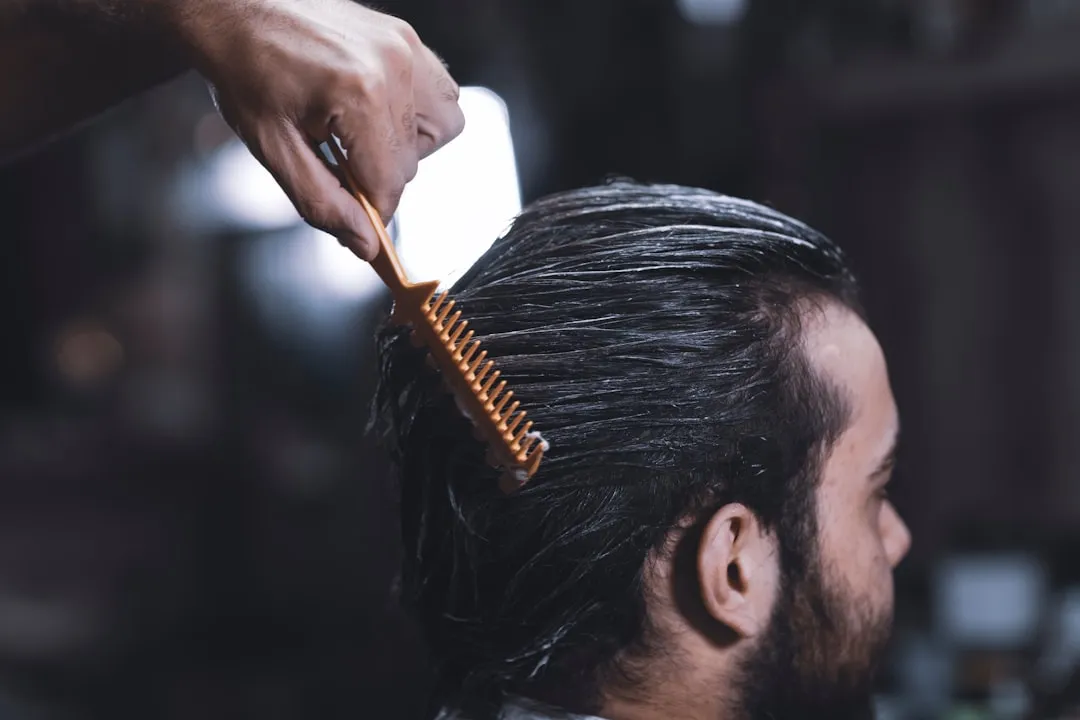
Artificial intelligence is transforming the way you choose your next haircut. AI tools can now analyze facial features in seconds and suggest the perfect female cut for your face, without the need for long consultations or trial and error.
The process works through advanced algorithms that map the geometry of your face and compare it to a database of thousands of styles. You take a photo, AI processes the image and delivers personalized recommendations in a few seconds, considering aspects such as facial shape, proportions and individual characteristics that you might not even know about yourself.
How AI Works for Cuts Recommendation
The technology behind these tools uses machine learning and computer vision to identify unique facial patterns. AI captures data such as forehead width, face length, chin prominence and symmetry of features, processing this information in milliseconds to generate relevant suggestions.
The algorithms have been trained with millions of images of faces and haircuts, creating connections between facial shapes and styles that work best in each case. When you insert a photo, the system automatically recognizes features and searches your records for the most harmonious and balanced combinations. The more people use the tool, the more accurate the algorithm is, because it accumulates data on which recommendations generate good results.
Real Scenarios for Using AI Tools
Imagine you are planning a visual change for an important event, but do not have time to consult multiple hairdressers or spend hours researching inspirations on the internet.An AI tool solves this problem in seconds, showing exactly which cut would work best with your specific facial features.You can visualize the result even before you make an appointment, saving time and reducing the anxiety of making a wrong choice.
Another common situation is when you see a beautiful cut on a celebrity or social network, but intuitively know that it may not work on you. AI validates this intuition, clearly showing why that style does not harmonize with your face and suggesting alternatives that offer similar visual effect while maintaining proportion to its characteristics. You understand exactly why the recommendation, not only receives a number of random styles.
Professionals who work with aesthetics also use these tools to increase confidence in the recommendations they make to customers. A hairdresser who already has keen intuition for experience can validate her ideas with AI, creating more convincing and personalized presentations.The client sees the technical analysis behind the suggestion, which reinforces confidence in the proposed change.
People with self-doubt find great relief in these tools, as they receive technical validation that certain styles actually work better with their proportions. Instead of believing only in the subjective opinion of a professional or in your own oscillating feelings, you have concrete data showing which direction to go. This reduces the fear of trying something new and increases satisfaction with the final result.
Main Features of Available Tools
The most advanced platforms allow you to upload multiple photos at different angles, ensuring that the analysis captures all perspectives of your face. Some systems ask for additional information such as hair type, texture, level of maintenance you are willing to do and personal style preferences. The more data you provide, the more refined the final recommendation becomes.
Many tools offer real-time visualization, showing how the recommended cut would look on you through augmented reality technology. You can adjust the length, the amount of layers and other details to find the result that suits you. This interactivity turns the experience of a simple recommendation into a collaborative process where you participate in the final decision.
Some platforms also provide a history of previous reviews, allowing you to compare different styles over time. If you analyzed a cut six months ago and want to revisit that idea, the tool keeps the entire record accessible. This functionality is especially useful for those who like to plan various visual changes throughout the year.
Practical Benefits You Experience Immediately
The first benefit you realize is the time savings in decision making. Before investing money and hours in a change, you already know exactly how it will look and if the result will align with your expectations. This early clarity eliminates the frustration of paying for a cut that did not turn out as you imagined, because the AI validated the feasibility before the commitment.
You also save money in the long run by making better choices the first time. Instead of making several experimental cuts until you find something that works, you get to the right conclusion immediately.For those who change cutting frequently, this efficiency multiplies, resulting in significant savings in appointments and hairdressing services over the months.
Psychological confidence is another important gain that deserves mention. Many women suffer from indecision about visual changes for fear that the result does not meet expectations. When you have a technical analysis validating your choice, anxiety decreases considerably. You enter the hairdresser's chair knowing that you have made a well-founded decision, which makes the whole experience more positive.

For people who work remotely or have a busy schedule, the convenience of analyzing cuts in the comfort of the house is unparalleled. You do not need to make an exploratory appointment or spend time on commutes just to receive a recommendation. The tool is available 24 hours, responding when you want to reflect on visual changes.
Limitations and Important Considerations
Despite technological advancement, AI still does not completely replace the experience of an experienced professional.The machine can analyze facial proportions, but it can not talk about your lifestyle, maintenance routine or subjective preferences as well as a hairdresser who listens to your personal goals. A technically perfect recommendation may not be the best choice if it requires maintenance that you are not willing to do.
The quality of recommendations also depends a lot on the photo you provide. An image with poor lighting, unfavorable angle or partially covered face can result in inaccurate analysis. You need to understand the technical limits of the tool and provide clear photos in good lighting to obtain reliable results.The responsibility of ensuring quality data partially lies with you, the user.
Another important point is that AI recommends based on historical data from cuts that worked well on faces similar to yours. If you have unique or asymmetric facial features, the tool may have difficulty finding precedents in your database.
The Future of Cuts Recommendation Tools
The next generation of these tools promises to integrate skin type analysis, hair condition and even history of previous cuts to offer even more personalized recommendations.Some developers work on technologies that can simulate not only the cut, but also different makeup techniques and colors that harmonize with each suggested style.
Integration with hairdressing platforms is another trend in development. Imagine using AI to define your ideal cut, receive visual analysis and, soon after, be automatically connected to a professional in your region who specializes in this type of work. This integration would simplify the entire process from conception to the execution of the new look.
Augmented reality is becoming more sophisticated, allowing you to see the recommended cut not only in still photos, but in video, on the move, from different angles.This more complete visualization will further reduce the gap between expectation and reality, ensuring that you really enjoy the result when you arrive at the beauty salon.
Some researchers even explore how AI could recommend complementary hair colors to the cut and your skin tone, creating truly integrated suggestions.The future points to tools that consider not only the cut alone, but the whole look as a harmonic set where each element reinforces the beauty of others.
How to Choose the Best Tool for Your Needs
When choosing an AI tool for cutting analysis, look for platforms that offer multiple styling options as a result, not just a single recommendation.The best tool delivers a range of possibilities, allowing you to explore different directions while keeping them all suited to your face.
Make sure the platform offers customization options such as length preferences, amount of layers and dramatic level of change. You want a tool that suits your comfort level, not that forces recommendations outside your safety zone.The best AI is one that offers optimized suggestions but respecting your stated preferences.
Look for tools that provide education along with recommendations, explaining why each cut would work well for you. When you understand the reasoning behind the suggestion, you can better assess whether you agree with the analysis and make adjustments as needed. This transparency of the process increases the practical usefulness of the tool.
Also consider data privacy and security. The photos you upload will be stored on platform servers, so choose a reliable company tool with clear policies on image protection. Read the terms of service before providing your photos to ensure that the company will not use them for other purposes without your consent.
Free trials are great for knowing the interface and quality of recommendations before paying. Many platforms offer a free analysis so that you evaluate whether the results make sense and align with your expectations. Use this opportunity to validate that the tool really delivers value for your specific case.
Artificial intelligence technology for recommending female cuts represents a significant advance in how you make decisions about your look. Combining accurate technical analysis with convenience and accessibility, these tools offer genuine value from the planning stage to the validation of your final choice.You save time, save money and, above all, gain confidence in the changes you choose to make in your look, knowing that each decision is grounded in data and professional analysis.