
AI tools now turn your ideas into realistic visual designs, saving you time, money and avoiding costly planning mistakes.
Decorating a house with artificial intelligence is no longer a privilege of professional designers.You can generate custom designs, view color combinations and furniture before buying, as well as receive style suggestions based on your preferences. This article reveals how to use these technologies strategically, what mistakes you should avoid and how to turn your home into a space you really want.
How AI Transformed the Decoration Process
Before AI, home decorating required hiring an expensive designer, flipping through interior magazines or collecting images on social networks without knowing how to implement in practice. Artificial intelligence has eliminated this barrier by putting creative power directly in your hands.
You shoot an empty or partially decorated room, load on the AI tool and receive several styles visualized in the same space. This means seeing how a gray sofa would work, then swap for a beige, compare curtains in different colors, all in a matter of minutes. This preview eliminates blind decisions and dramatically reduces the risk of investing in parts that do not work aesthetically or functionally.
AI also learns from global design patterns, combining current trends with principles of visual harmony.It suggests appropriate proportions between furniture and space, avoids unnecessary visual agglomerations, and proposes creative solutions for small or irregular environments.The result is a democratic process where anyone, regardless of previous experience, can create beautiful and functional spaces.
The Most Common Mistakes When Using AI to Decorate
Many people make fundamental mistakes by relying completely on AI recommendations without considering personal context. A classic mistake is to ignore their actual preferences in favor of what the algorithm suggests, resulting in beautiful houses in photos but uncomfortable in practice. AI optimizes for visual aesthetics, not necessarily for your lifestyle, routine or personality.
Another frequent misconception is to confuse generated visualizations with material reality. An AI-rendered image shows perfectly illuminated colors, shapes, and distribution in a controlled environment. In your home, natural lighting varies during the day, colors interact differently with your actual walls, and texture details do not appear in the digital images. You can buy a sofa identical to the suggested one and find that the gray hue looks completely different under your natural light.
Many users also fall into the trap of following AI-suggested viral trends without considering aesthetic longevity. Very trendy colors can become dated quickly, and you get stuck with furniture that looked perfect in the algorithm but soon loses relevance.
An even more critical mistake is not validating AI-generated proportions. These tools sometimes suggest furniture too big or too small for your specific space, as they work with estimates. An armchair that looks proportional in the view can occupy 40% of your room when delivered. Always check real measurements, tape dimensions on the floor with crepe tape and compare before buying.
Many people also neglect budget when planning with AI, selecting proposals that add up to inaccessible values. Artificial intelligence does not know your financial limits unless you configure them specifically. This results in beautiful but unrealizable plans, generating frustration and waste of time. Always enter your budget as a parameter when the tool allows.
Choosing the Right AI Tool for Your Project
There are several categories of AI-based tools for decoration, each with specific advantages.3D visualization platforms allow you to upload photos and see modifications in real time, working well for small changes such as wall painting or furniture replacement.
AI-based style generators work differently, analyzing your preferences and creating complete design suggestions without necessarily being linked to a specific photo. You answer questions about favorite colors, preferred styles and functional needs, and the AI compiles a visual moodboard with suggestions for furniture, accessories and palettes. These tools are excellent when you start from scratch or want completely new inspiration.
There are also platforms that combine AI with access to real product catalogs, connecting visual cues directly to purchasable items. This eliminates the problem of loving a design but not finding the specific sofa that appears in the image. The disadvantage is that these platforms are limited to the products in their database, reducing creativity and customization.
When choosing your tool, prioritize those that allow input from personal context, such as region climate, room solar orientation and type of use. A tool that understands you have intense natural light all the time will make different suggestions than the one that thinks in darker environment. Also prefer platforms that allow iterative adjustments, not just unique suggestions.
Practical Techniques for Using AI Effectively in Decoration
The first step is to prepare good photographs of your space.Use natural lighting, capture multiple angles, include the ceiling and floor, and take photos at different times of the day if possible. AI works best with clear visual information, and blurry or dark photos lead to inaccurate recommendations.The better the image quality, the more reliable the visualizations and suggestions generated.
Start by defining your base style before asking AI for suggestions. Do you prefer minimalism, boho, industrial, rustic or eclectic? AI refines results when it has clear direction, not when it tries to guess your taste. Gather 10 to 15 images of spaces you like, even if they seem disconnected, and use them to inform the direction of the project. Many tools allow you to upload inspiring images as a reference.
Work in layers, not trying to redesign everything at once. First, establish the color palette for the walls and floors. Then select main furniture such as sofa and bed. Then add secondary furniture, lighting, and finally decorative accessories.This approach avoids visual overload and allows incremental adjustments without starting over from scratch each time something does not work.
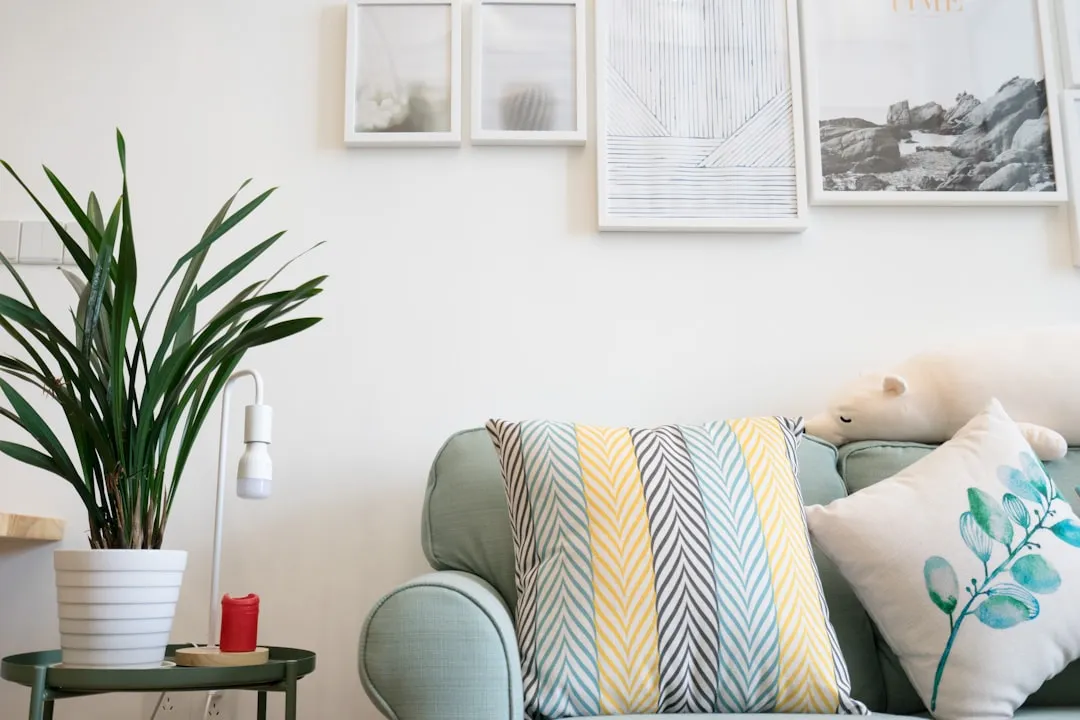
Always test AI suggestions against your actual space. If the tool suggests a wall in dark turquoise tone, buy a can of test paint and paint a small section.Look at how it interacts with your lighting, with existing furniture, and how it feels in that space for a few days. A color that looks perfect on the screen can be overwhelming live. This practical validation saves you costly mistakes later.
Do not ignore comfort and functionality in favor of visual. AI optimizes for aesthetics, but you live in space. If a suggestion puts the sofa facing a wall or creates confusing flow of movement, adjust according to your reality. The best decoration balances beauty with daily practicality. Always question whether the proposed design works for how you actually use that space.
Avoiding Financial and Planning Traps
One of the biggest frustrations with AI for decoration is buying based on unrealistic views. The total price of a suggested project can be frighteningly high when you sum all the items. Establish maximum budget before generating suggestions and adjusting parameters to stay within that limit.Many tools allow you to filter by price range, ensuring recommendations are financially viable.
Be careful of the temptation to renew everything simultaneously because the suggestions seem coherent together. Implementing gradually is safer and more realistic strategy. Start with one key piece, observe how it works, then move on to the next. This allows you to adjust as you learn more about your real preferences, saving money on changes and returns.
Another trap is to scorn items you already own in favor of completely new suggestions. AI may not recognize potential for existing furniture when well combined with new elements. Before you discard something, consult the tool on how to incorporate it into the new design.Often, painting, renovating or repositioning an existing piece of furniture works better than replacing, saving significantly.
Also look for discounts and seasonal trends in your purchases. If the AI recommends a specific sofa, research prices on multiple platforms before buying. Sometimes the same piece appears with significant discounts at different times. Patience and research complement the AI suggestions, multiplying your economic decision power.
Remember that digitally viewed items often arrive with variations. Manufacturers change shades, textures and qualities. Review carefully when receiving orders, testing colors under your natural lighting before unpacking completely. Return immediately if it does not match the expected, as exchange windows are limited.
Combining AI with Human Expertise for Better Results
AI is a powerful tool but it does not replace human judgment about personal comfort and aesthetics.The best designs combine suggestions generated by artificial intelligence with your intuition and knowledge of space.If AI suggests something you hate, trust your gut.
Consider sharing generated views with friends or family whose opinion you respect before investing. An outside perspective often identifies issues you don't see or validates your enthusiasm for planned changes.This is especially useful for larger decisions like full living room or master bedroom redecoration.
If your project is ambitious, consult a real interior designer to validate the suggestions of AI. It is not necessary to let the person redesign everything, but one or two advisory sessions save errors and refine ideas.Designers also know local suppliers and can find better prices or qualities that generic AI would not recommend.
Keep in touch with your local community of decorators and enthusiasts. Social networks have groups dedicated to interiors where you share views and receive practical feedback.People dealing with similar weather, similar property types and similar taste offer insight that global AI does not. This combination of technology with community produces balanced results.
Finally, review your project a few months after implementation. Do you really like living in that space? What worked well and what did not meet expectations? This reflection informs future decorative decisions and helps refine how you use AI. Each project is learning that improves your ability to collaborate effectively with artificial intelligence.
Specific Practical Applications of AI for Different Rooms
In the living room, use AI to visualize different furniture layouts and understand how space flows naturally. The tool can show how sofas, armchairs, coffee table and TV relate visually and functionally.Test multiple scenarios, from triangular to linear layout, before moving heavy furniture. AI also suggests appropriate sizes for each piece based on the dimensions of the room, avoiding visual imbalance.
For bedrooms, special focus on bedding as a key piece. AI helps to visualize different orientations, bedside sizes, and how the bed interacts with windows, doors, and other furniture.Many people position bed incorrectly just because they have never viewed alternatives.Use AI to explore if moving the bed to opposite wall would improve the flow or dormitory looks larger with minimalist versus upholstered headboard.
In kitchens, AI works well for wall and drawer colors, countertop materials, and general visual organization.The tool can show how cabinet colors interact with floors and walls, helping to avoid combinations that look chaotic or too dated.It also suggests appropriate lighting to make kitchen more functional as well as beautiful, balancing aesthetics with culinary practicality.
Bathrooms often have specific space and humidity challenges that AI can help solve.View how mirrors, floating shelves, and accessories fit into small spaces, maximizing functionality and aesthetics. AI also suggests colors that visually enlarge small bathrooms and schemes that work well with constant humidity.
Outdoor areas like balconies and backyards benefit greatly from AI visualization. See how garden furniture distributes itself, how plants visually work with furniture, and what colors create cozy versus chaotic environment.AI can suggest layouts that take better advantage of sunlight, shade, and natural flow of movement in outdoor spaces.