
Artificial intelligence has revolutionized the way you design and decorate your home.With smart apps, you can transform environments in minutes without hiring a professional designer.
Are you tired of spending money on decor consultants or getting stuck in design decisions? AI technology offers practical and affordable solutions for visualizing ideas before investing in furniture and finishes.This guide shows you how to leverage these advanced tools to create custom spaces with professional precision.
How AI Decoration Apps Work
Modern decoration applications use computer vision and machine learning algorithms to analyze your spaces.You photograph your environment or draw the dimensions, and artificial intelligence generates design proposals adjusted to the real characteristics of the room.
The technology processes information about popular styles, harmoniously balanced color palettes and market trends.When you enter personal preferences, the algorithm filters out options that match both your taste and space constraints.

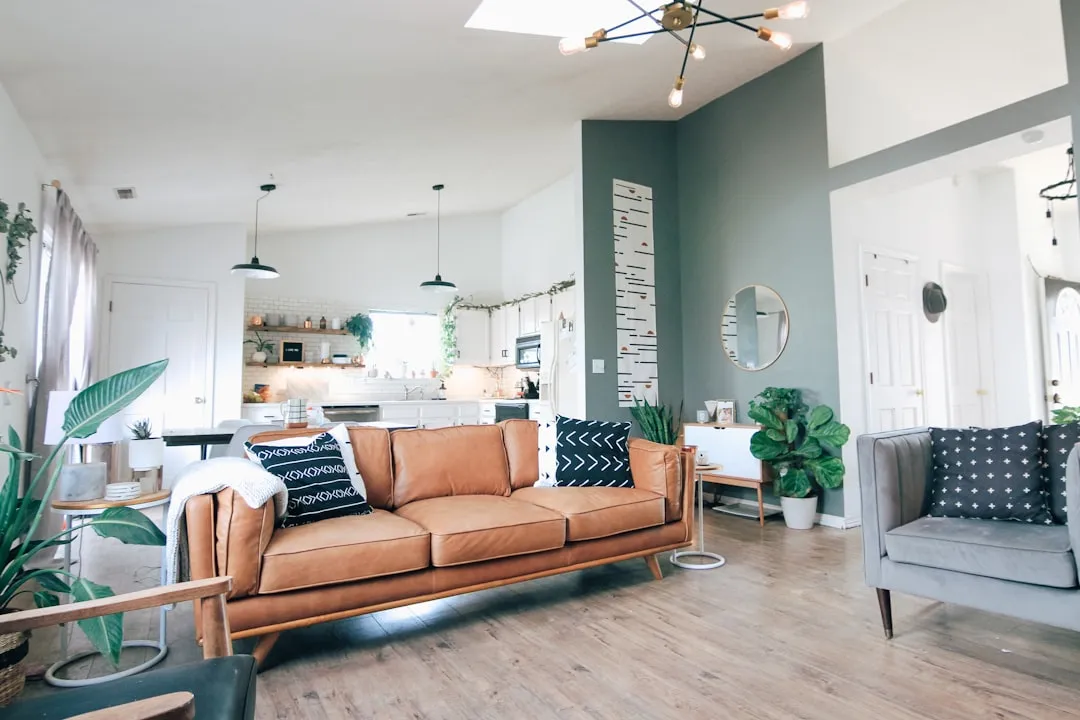
Projeto de casa por IA, DecAI™
Smart AI DEV
Many applications integrate databases of real products with updated prices. You not only see a beautiful image, but receive recommendations of items that really exist in the market, with direct links to purchase. This integration turns the application into a complete planning and budgeting tool.
Essential Preparation Before Using AI
Before starting any project, you need to accurately measure the spaces you want to decorate. Use a tape measure or application to note wall height, window width, door length and outlet placement.This information ensures that AI suggestions are feasible and correctly proportioned to the actual environment.
Shoot your current space at different angles and times. Images with good natural lighting and no obstructions make it easy to analyze the algorithm.Picture empty walls, important architectural details, and how sunlight enters windows throughout the day.These records help AI understand lighting characteristics that affect color and material choices.
Identify items you intend to keep in space, such as existing furniture, old frames or valuable decorative objects. Separate clear photos of these elements and have their dimensions ready. By informing the AI which pieces are already in the property, you get suggestions that harmonize with what you have, avoiding unnecessary purchases.
Set your total budget and divide it by categories such as furniture, finishes and accessories. Most apps allow you to filter suggestions by price range.When you set clear financial limits from the start, AI recommends only realistic options and you are not disappointed with products out of your reach.
Advanced Strategies for Using AI in Decoration
A strategic approach involves using multiple applications in parallel to validate recommendations.Each AI has different algorithms and distinct databases, so generating suggestions on varied platforms helps you identify real trends versus isolated system preferences.When three different applications suggest similar combinations, you gain confidence in the choice.
Experiment with the iterative refinement technique with AI. Start with a general query about the style you want, such as modern minimalist or classic rustic.As the application generates images, provide detailed feedback on which elements you would approve and which reject.
Ask the app to generate two versions of the same space with completely different orientations, such as warm colors versus cool colors, or open layout versus functional divisions. Comparing these extreme alternatives reveals which direction actually resonates with you and avoids regrets after investing in changes.
Explore the augmented reality viewing functionality available in premium apps.You virtually place furniture and objects within your real space using your mobile camera. Walk around the environment, see how the proposal feels in different perspectives and times of day. This immersive experience reveals problems of scale or harmony that still photos cannot clearly demonstrate.
Optimizations for Professional Results
The quality of AI suggestions depends deeply on the quality of the data you provide. Use high-resolution images in initial photographs, as computer vision algorithms extract details from current materials, textures and finishes. A blurry or shadowy photo disrupts the analysis, resulting in proposals disconnected from the reality of your space.
Structure your preferences specifically in the application input fields. Instead of simply writing dark wood, describe how matte-finished jatoba wood in modern furniture.Granular information guides AI to more accurate results and saves unnecessary rounds of adjustments.The more detailed you describe your preferences, the better the algorithm understands your vision.
Combine AI recommendations with personal style guidelines you gather over time.Save inspirations from magazines, social networks, or design portals that resonate with you. When you upload these reference images to AI applications, the algorithm analyzes common visual characteristics and generates suggestions aligned with your authentic personal style.
Consider the chronological sequence of implementation in the suggestions of AI. It does not always make sense to run all the recommended items simultaneously. Use artificial intelligence also to plan phases, suggesting which changes offer immediate visual return and which can wait for future budget. A phased strategy maintains its harmonious space during gradual transformation.
Validating AI Recommendations with Practical Criteria
After receiving suggestions from artificial intelligence, you need to validate them against objective criteria of functionality and comfort. Ask yourself if the proposed layout allows comfortable circulation, whether the positioning of furniture blocks emergency exits and whether the light distribution meets the activities that you will perform in the space. Even an aesthetically beautiful proposal fails if you can not live normally in the environment.
Analyze the compatibility between the materials suggested by AI and the climate and humidity of your region. A cold color palette in pastel shades may look beautiful in the application, but if you live in hot, humid weather, these light shades easily stain and look quickly faded. AI does not understand local climatic nuances, so you add this critical intelligence to the process.
Make sure the proposals respect your lifestyle habits and family dynamics. If you have young children, sofas with light shades recommended by AI can be impractical.If you work from home, the suggestion to create a working corner works better than a completely open layout. You convert AI insights into real decisions by filtering them by the reality of your everyday life.
Compare the total cost of the proposal with market alternatives that you research independently. Sometimes AI suggests premium brands, while similar lower-quality options cost half the price. Trade or look for substitutes in furniture databases to optimize your budget without sacrificing the intended visual outcome.
AI Tools and Platforms for Practical Decoration
Apps like Room Planner, Virtual Staging AI and VisualizeIT offer specific features you choose as you need. Room Planner allows you to draw precise floor plans and position furniture at full scale, creating layouts before any purchase. Virtual Staging AI uses photography of the current space to generate completely renovated environments through advanced image processing. VisualizeIT focuses on visualizing colors and materials, ideal if you are undecided between finishing options.
Platforms like Procreate Dreams and Adobe Firefly integrate AI image generation with manual editing tools. You are not completely dependent on the algorithm, but you can adjust proposals right on the platform to refine details. This hybrid approach offers greater creative control while maintaining the speed that AI provides.
Some builders and construction material suppliers now integrate AI consulting directly into their portals. You access these tools at no additional cost when purchasing products through these channels. This integration simplifies the process because AI recommendations are already connected to the actual catalog of items you can purchase immediately.
AI chatbots also function as real-time decoration assistants. You describe your space, preferred style, and constraints via natural conversation, and the bot generates recommendations, explains design choices, and offers alternatives as you ask questions.This conversational approach makes the process less technical and more accessible to people with no design experience.
Step-by-Step Practical Implementation with AI
Start by downloading and configuring a selected AI application, preferably one that offers a free version to test. Set up your account with basic information about your home, such as approximate size, number of rooms and overall architectural style.
Upload measurements of your main space and take high-resolution photographs of walls, floor, ceiling, and architectural details like photo frames or fireplace. Include photos with and without natural lighting so AI understands how light affects colors and textures. The more visual and dimensional data you provide, the more accurate the suggestions generated.
Enter your style preferences in descriptive format. If you like Nordic minimalism, describe preference for neutral palettes, functional furniture without ornamentation and a lot of clarity. If you prefer rustic warmth, mention natural wood, warm colors and heavy textiles.The more specific you are, the better AI understands your taste.
Review the first proposals that AI generates and provide structured feedback. Identify which elements you approve, which completely reject, and which you would like to see in alternate versions. Use this feedback to refine the search in subsequent rounds. Typically, after 3 to 5 refinement cycles, you get proposals that are very close to your ideal.
When you find a proposal that resonates, break it down into its constituent elements: furniture, colors, materials, lighting and accessories. Research each element independently in the real market to validate prices, availability and alternatives. This ensures that the vision offered by AI is truly feasible and matches the products you can acquire.
Create a visual dashboard by consolidating all approved elements in a pinboard document or application. This build serves as a reference during purchases and execution of changes, avoiding deviations of direction throughout the process. Share this dashboard with professionals if necessary, such as carpenters or electricians who will help in implementation.
Common Challenges in Using AI for Decoration and How to Overcome them
A frequent challenge is that AI sometimes generates aesthetically beautiful but architecturally impractical proposals. Windows covered by large furniture, blocked circulation flows or lack of space to open doors are errors that appear. You solve this by validating each proposal against a basic functionality checklist before considering any changes.
Another difficulty arises when AI suggests price options far above your budget.Many algorithms do not accurately understand personal financial constraints.Always set maximum price filters in the applications and reiterate your budget when providing feedback.If recommendations remain expensive, switch to applications that integrate catalogs of popular brands at lower cost.
Some people report that AI proposals seem impersonal or cold, without reflecting their history and personality.Overcome this by including significant items in the proposal, such as family photographs, inheritances or decorative hobbies. Instructed AI to work around these personal items, not against them. Thus, the end result maintains technological innovation but respects what makes your home unique.
Discrepancies between AI visualizations and actual result happen because the technology does not capture all the nuances of physical materials. A color that looks perfect on the screen can be misleading when viewing under real lighting. Minimize this risk by requesting physical samples of any material or color before full investment.
You may also feel hesitation when making decisions based solely on machine recommendations. This is completely legitimate.Use AI as an advisory tool, not as the final authority. Combine algorithm suggestions with your intuition, advice from friends or even brief consultation with professional designer for validation.
Maximizing Financial Value with AI Recommendations
Artificial intelligence helps you optimize spending by identifying items that offer the most visual impact for investment. Algorithms analyze successful project histories and identify patterns on which elements drive the most noticeable transformation.If you have a limited budget, ask AI to prioritize changes that maximize visual return, such as changing wall colors or replacing lighting before expensive furniture.
Many AI platforms allow simultaneous comparison of multiple options for the same item.You see how one wall gets light, medium or dark paint in the same space. This eliminates errors of judgment when comparing samples separately.In addition, when the application shows the same sofa in three different stores with varying prices, you immediately identify the best trade without exhaustive research.
Set up alerts in the applications that integrate e-commerce to notify you when items from your desired list go on sale. Many algorithms learn discount patterns by season and brands, and can alert you before periods with greater price reductions. This strategic wait saves substantially on larger budgets without sacrificing the quality or aesthetics of the result.
Take advantage of AI's ability to simulate different spending schedules. You can ask which aspect of retirement offers immediate return on low investment, which should run in phase two with a larger budget, and so on. This phased planning distributes spending over time, making large projects financially viable for most people.
Future Trends in AI for Home Decoration
The next generation of AI decoration applications will incorporate deeper analysis of residential behavioral patterns. Instead of suggesting just based on aesthetic preference, AI will analyze your space usage habits and recommend layouts and furniture that optimize movement flow, comfort and well-being.
More sophisticated augmented reality will allow you to visualize AI proposals in your real space with virtually perfect accuracy.You will see not only the shape and color of furniture, but also how light interacts with materials, how shadows fall at different times, and how space feels emotionally.
Integration with smart home systems will allow AI to recommend not only visual decoration, but also smart lighting, temperature control and automation standards that complement the design.You will receive proposals that optimize functionality, aesthetics and energy efficiency simultaneously. This holistic approach turns artificial intelligence into an integral manager of the home environment.
Collaboration between generative AI and databases of builders and suppliers of materials will result in hyperlocalized recommendations. The algorithm will know what is actually available in stores near you, specific prices of your region and even updated delivery times in real time. This vertical integration eliminates intermediaries and simplifies the entire procurement chain.
Developers are working on AI that understands environmental preferences beyond aesthetics, such as sustainability, durability and environmental impact of materials. You can request proposals that prioritize furniture made from certified sustainable wood or recycled materials textures. This environmental awareness reflects developments in both technology and modern consumer expectations.
The ability for AI to learn and evolve over time promises increasingly refined customizations.The more you interact with the app over months and years, the better it understands your subtle preferences and decision patterns.