
What is Active Noise Cancellation (ANC)
Active noise cancellation, or ANC (Active Noise Cancellation), works through internal microphones that detect ambient sounds and generate opposite sound waves to neutralize them. This process happens in real time, reducing low frequencies such as an airplane engine or traffic noise.
Fones de Ouvido
The technology does not completely silence the environment, but significantly reduces repetitive and constant sounds.High frequencies, such as voices, are canceled less effectively because they require faster reaction from the processor.
Technical Differences Between Premium and Intermediate Phones
Processor Quality and Latency
Premium headphones use state-of-the-art dedicated processors that analyze ambient audio 200+ times per second. Examples such as Sony WH-1000XM5 and Apple AirPods Pro 2 have proprietary chips optimized exclusively for ANC.
Intermediate phones (range $ 400-800) use generic chipsets that process 100-150 times per second. This results in latency of up to 50-100ms, while premium models manage to reduce to 20-30ms. The difference mainly affects the naturalness of cancellation during conversations and in variable environments.
Microphone Quantity and Positioning
Premium models have 4-8 strategically positioned microphones: some capture ambient noise outside, others monitor internal leaks. This redundancy ensures cancellation at multiple frequencies simultaneously.
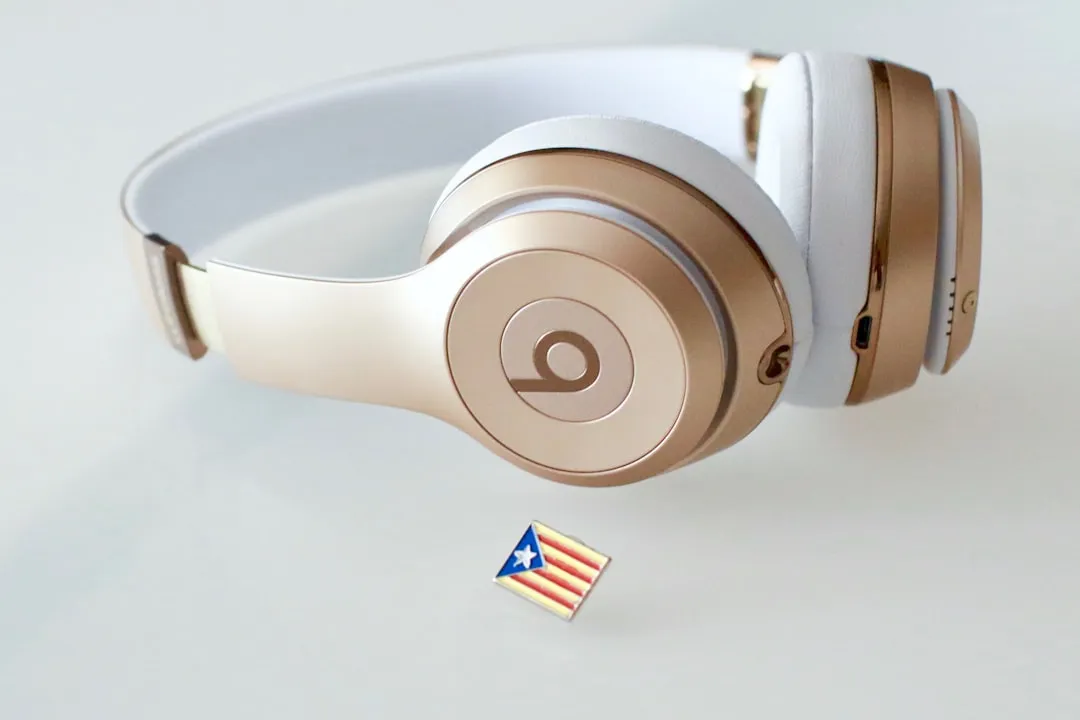
Intermediate headphones typically have 2-3 microphones. This limitation reduces accuracy, especially in environments with varying noise or on the move (such as inside cars).
Battery and Energy Consumption
ANC is a power-intensive process. Premium headphones can achieve 30-40 hours with active cancellation enabled, thanks to larger batteries and efficient processors. Intermediates offer 15-25 hours, often dropping to 8-12 hours with ANC continuously on.
Real Noise Cancellation Performance
Decibel Reduction (dB)
Premium headphones reduce on average 30-40dB of low noise. For context: 30dB equals a quiet library, while the original airplane noise is around 80-85dB. Reducing to 45-55dB makes the experience comfortable.
Intermediates achieve 20-30dB of reduction, which is noticeable but does not completely eliminate the need to increase music volume. On long flights, this difference is noticeable after 2-3 hours.
Efficacy by Type of Noise
Frequent low noises (engines, air conditioning, heavy traffic) are canceled with 85-95% effectiveness in premium models.In intermediates, the effectiveness drops to 60-75%, leaving