
The Fast Charging Dilemma: Speed vs. Battery Durability
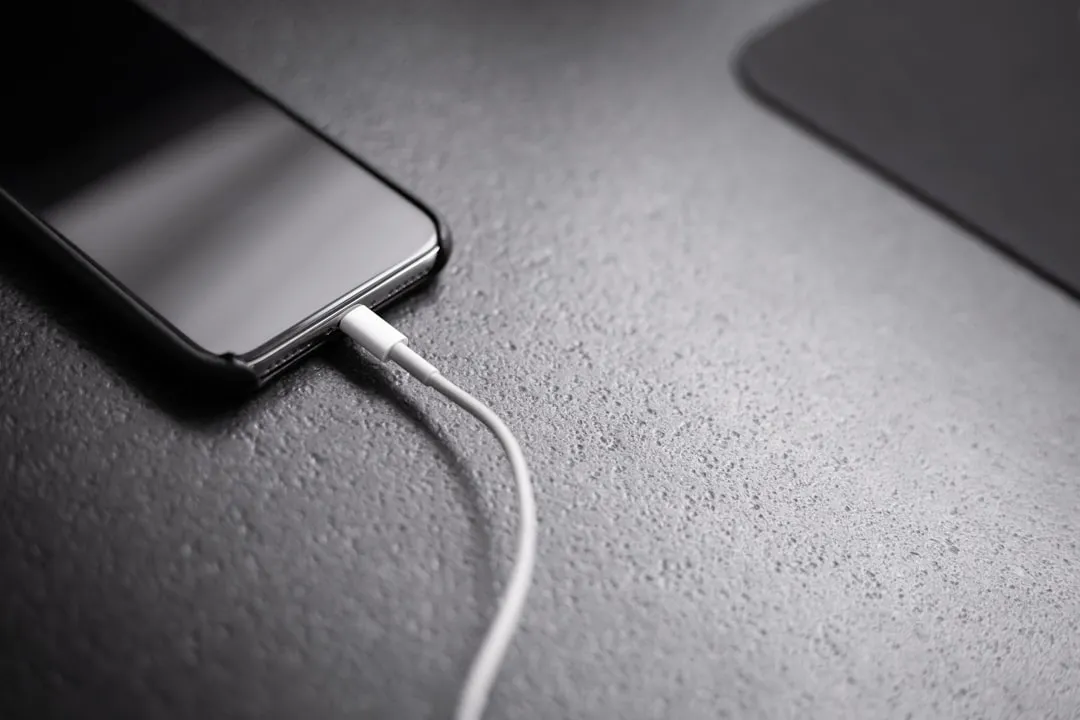
Fast charging has become virtually indispensable in modern cell phones.Users expect to recharge 50% of the battery in 15 to 20 minutes, but this convenience brings a legitimate concern: how much damage does accelerated charging cause to the battery?
The reality is that fast charging always generates more heat higher temperatures degrade lithium cells faster, reducing battery capacity over months, but not all fast charging technologies affect the battery in the same way.
How Fast Charging Works
The Technical Parameters
Fast charging increases the power (watts) delivered to the battery. A standard charger offers 5W to 10W; fast chargers can go from 18W to 150W or more on top-of-the-line models.The higher the power, the more electric current flows through the battery, generating additional heat.
The formula is simple: Power = Voltage × Current. To achieve 65W, for example, manufacturers can increase the voltage (volts) or current (amps). The choice between these strategies defines the impact on the battery.
Loading in Phases
Modern cell phones use multi-phase charging to minimize damage. In phase 1, the charger delivers maximum power up to 80% of capacity. In phase 2, it gradually reduces the current until it completes charging. This approach prevents the battery from suffering from high power when it is already almost full.
Fast Charging Technologies and Their Impact on Battery
Charging with Increased Voltage (Multi-Volt)
Samsung and other manufacturers use strategy of increase tension keeping current controlled.A 25W charger can provide 9V instead of the standard 5V. This approach reduces the amount of current required, generating less waste heat in the battery.
Laboratory data shows that batteries charged with this technology retain about 90% of capacity after 1000 cycles. Wear is 10% to 15% lower compared to standard charging maintained at the same time.
Charging with Increased Current (Multi-Ampere)
Some phones, such as Xiaomi and OnePlus models, use special multi-cell cables to distribute high current. Instead of overloading a single cell, they divide the power between several. A 120W charger can distribute 60W in two parallel circuits, reducing the individual stress of each cell.
This technology is safer for high capacity batteries (5000mAh+) as it avoids heat concentration at a single point.Tests show 85% retention after 1000 cycles, comparable to multi-volt charging.
Charging by Thermal Management Chip
Premium manufacturers such as Apple (MagSafe and 27W fast charging) and some Samsung models include temperature sensors integrated into the charger and mobile phone.These chips monitor the temperature in real time and automatically reduce the power if they exceed 40-45°C.
This system is the the safest available in the marketbatteries with this protection maintain up to 95% of capacity after 1000 cycles, superior to any other technology.
Real Risks of Unprotected Fast Charging
Accelerated Degradation
Cell phones with fast charging without adequate thermal protection lose visible capacity after 18 to 24 months of use. Batteries of 5000mAh can drop to 4200mAh or less. The problem intensifies if the user charges at night, leaving the device plugged in for 8+ hours at elevated temperatures.
Swelling and Safety Risks
Severe degradation can lead to physical swelling of the battery.When cells degrade, internal gases create pressure. potentially dangerous fast charging without temperature control speeds up this process by up to 40%.
Drastic Reduction of Autonomy
A battery that loses 20% of capacity means your phone discharges 20% faster. For many users, this makes the device impractical after 2-3 years, forcing the purchase of a new device.
Safe Practices for Fast Charging
Use Original or Certified Chargers
Generic third-party chargers are the greater cause of damage to the battery. They lack sophisticated protection circuits and offer unstable electrical output. Always use original chargers from the manufacturer or models with MFi (Apple) or USB-IF (Android) certification.
Avoid Full Night Charging
Leaving the plugged-in cell phone from 22h to 6h in the morning exposes the battery to 8 hours of continuous heat in the state of maximum charge. This scenario degrades the battery 2x faster unplug the device when it reaches 100% or use the limited charging function (many modern cell phones reach only 85% at night automatically).
Keep your Phone Cool During Charging
Remove protective cover while charging, especially in hot environments.The ideal temperature for charging is between 15°C and 25°C. Above 35°C, the risk of degradation increases exponentially. Never charge inside cars on hot days or in direct sunlight.
Choose the Right Power for Your Battery
A 4000 mAh battery does not need 65W charger; 25W is sufficient and safer. High-power chargers (100W+) are optimized for batteries of 5000mAh or larger. Using excessively powerful charger on small battery causes premature degradation.
Use Adaptive Charging
Many mobile phone models (Pixel 6+, OnePlus 11, Samsung S23) include adaptive charging: the handset learns your sleep pattern and purposefully slows charging during the night, completing only near waking time. Activate this function whenever available.
Comparison of Technologies: Which is Safer
In summary, charging with thermal management by integrated chip it is the safest technology, keeping the battery with 95%+ health after 1000 cycles. Secondly, multi-current charging (distributed) with temperature limit at 40°C offers comparable safety. Multi-volt charging controlled comes in third, still acceptable if kept temperature below 45°C.
Fast charging without adequate thermal protection is the less safe: batteries degrade to 85% health or less after 1000 cycles.Unfortunately, many intermediate cell phones still use this approach to reduce costs.
The good news is that simple usage practices significantly stretch the service life: use original charger, avoid prolonged night charging, maintain controlled temperature and respect the power suitable for your battery reduces degradation by up to 50%.