Finding the perfect haircut is a personal journey that goes beyond passing trends.You need to understand your hair type, face shape and lifestyle to make the best choice.
This complete guide will help you navigate through different cutting options, comparing styles and showing you how to choose the one that really works for you.From classic cuts to modern trends, you will learn what are the best alternatives for your specific situation.
Understanding Your Hair Type Before Choosing a Cut
Before entering any beauty salon, you should deeply know your hair type.There are basically four categories: smooth, wavy, curly and curly, each with its specific characteristics and needs.The knowledge of this fundamental information determines which cuts will work best in your day to day, as not every style you see in photos will work equally well on your hair.
Smooth hair offers natural versatility and allows you to experiment with different lengths and layering techniques without much effort. If you have straight hair, a layered cut will work perfectly to add movement and volume, while a straight cut and blunt will create a more sophisticated and modern look. You can keep your hair straight with little maintenance, but it also means that the cut needs to be accurate, as any imperfections will be visible immediately.
Wavy hair presents an interesting challenge because the natural volume they have can be highlighted or minimized as the cut chosen. A cut with well-defined tips enhances the natural waves, while bulkier layers can create an unwanted frizz effect. You will have more flexibility when choosing between cuts that work with your natural waves, instead of trying to fight them with frequent straightening techniques.
Curly and frizzy hair requires specific cuts that work with the natural texture, not against it. A good curly haircut will respect the shape of your curls and use techniques such as dry cutting to ensure that the end result is exactly what you want. You will save time and energy if you choose a cut that works with your natural curl pattern, rather than investing in straightening and chemicals.
Face Formats and Which Cut is Most Suitable
Your face shape is another decisive factor in choosing the perfect cut. There are five main formats: oval, square, round, heart and rectangular.Each shape benefits from different styles that help balance proportions and enhance its best features. When comparing cutting options, you should always consider how different styles interact with the unique geometry of your face.
If you have oval face, you are in a prime position because virtually any cut works for this versatile format.Oval faces are considered proportional, so you can experiment from short bobs to long lengths, cuts with bangs or without bangs. The flexibility you have allows the choice to be more about personal preference and lifestyle than about needing to balance facial proportions.
Square faces have protruding apples and well-defined jaws, features you can highlight or smooth as your goal. A cut with layers that start at apple height, or long length with gentle waves, helps smooth the square jaw. You should avoid very short or very straight cuts that accentuate only the angular structure of the face, unless you want this purposeful effect in a modern and bold way.
Round faces benefit from cuts that add height to the top of the head, creating the illusion of a more elongated face. A volume cut on the crown, shredded covers on the sides or a side fringe helps create this improved ratio. You should avoid very short cuts across the head or straight bangs that accentuate the round shape unless you want a softer, more delicate look.
Heart-shaped faces (wider on the forehead and narrower on the chin) benefit from cuts that add volume on the sides, near the jaw. A cut with layers that start below the ears, or long length with waves, helps balance the forehead wider. You can use a shredded or lateral bangs to smooth the forehead without adding extra weight on top, creating harmony between your facial proportions.
Comparing Classic Haircut Styles
When you are thinking about changing your look, it is important to compare the classic styles that have stood the test of time with the newest trends. Each classic style has variations and can be adapted according to your hair type and personal preferences. Knowing the main characteristics of each helps you make an informed decision.
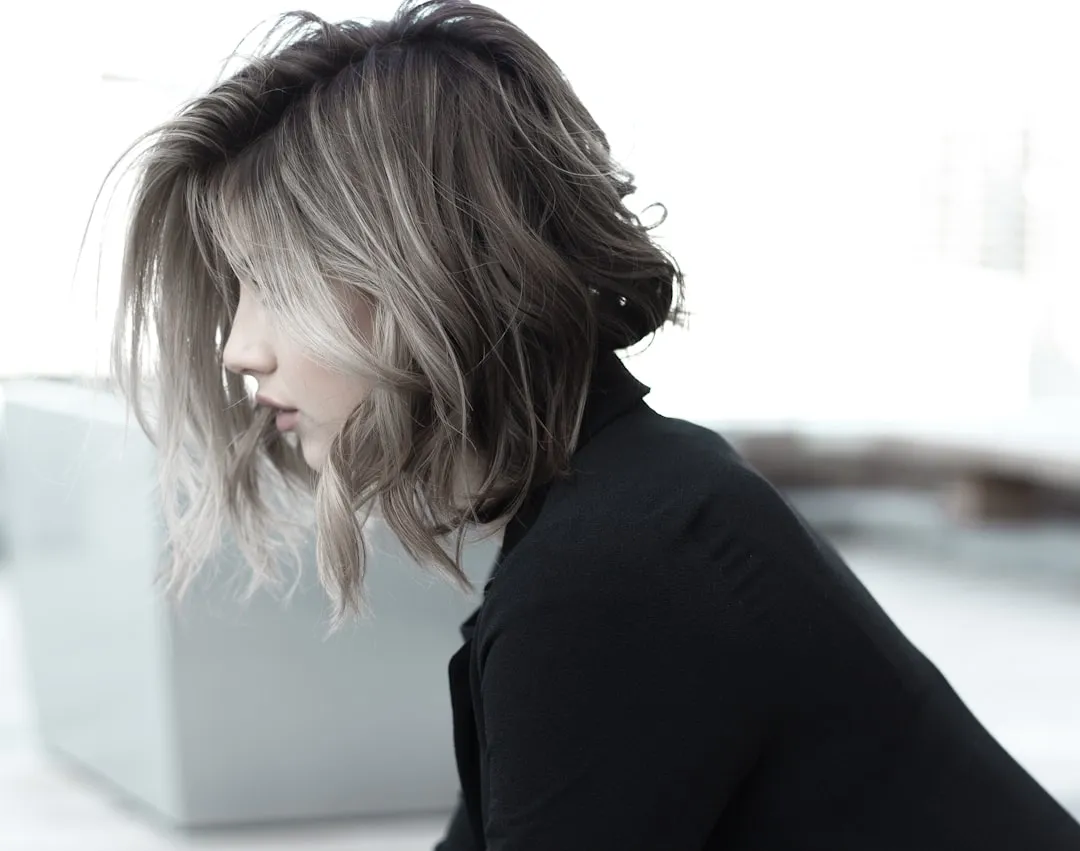
The bob is perhaps the most iconic and versatile cut in the history of hair fashion.You can choose a short and precise bob that ends at chin height, a midi-bob that reaches the shoulders, or a lob (long bob) that goes beyond. The main advantage of the bob is that you can easily keep it at home with proper brushing, and it works for various types of hair. The bob also offers flexibility in relation to the bangs, allowing you to choose between straight, side or fringe-free bangs, depending on your face and aesthetic preference.
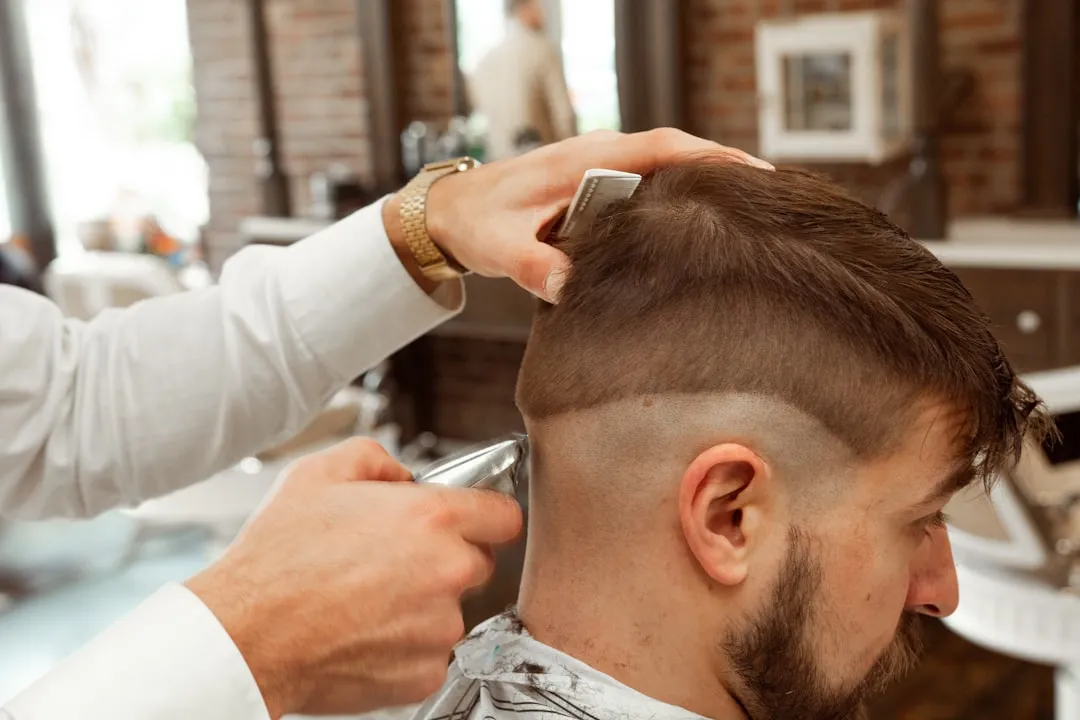
Pixie cut is a bold choice for you if you are looking for a modern and practical look. This short cut eliminates much of the maintenance and offers great creative freedom regarding texture and length. A classic pixie cut is straight and structured, while a more modern version can include shredded and textured layers for a less formal and more organic look. You need to be committed to regular trips to the salon, usually every 3 to 4 weeks, to keep this cut in perfect shape.
Layered cutting is an intermediate option that adds movement and volume without sacrificing length.You can have soft layers for a subtle effect, or more aggressive layers for a dramatic look and full of texture. This cut works particularly well on long hair, creating natural movement and making hair easier to comb. The layers also help reduce volume on thicker hair, while adding movement on thinner hair.
Straight cut and blunt is a bold and modern choice that requires absolute precision during cutting. You will have a clean and sophisticated look, but you will need to keep the tips trimmed often to maintain the integrity of the line. This cut works best on straight or very well straightened hair, as any frizz or curling texture will affect the overall appearance. The simplicity of this cut allows your face and expression to be the main focus, making it an excellent choice for you who prefer minimalist elegance.
Current Trends in Haircutting You Should Consider
Haircut trends constantly evolve, and you can benefit from knowing the modern options that are gaining popularity. These are not only fleeting, but clever adaptations of classic styles that work well for modern life. Combining a trend with your facial structure and hair type is the key to an updated look that you will really enjoy.
The modern mullet cut is a sophisticated reinterpretation of the style of the 80s, bringing it to the 21st century in a much more elegant way. You will have shorter and structured hair on the front and top, with longer length on the back, creating an interesting contrast. This cut offers versatility because you can style it in different ways depending on the occasion, from a more casual look to something more formal. The great advantage is that you can maintain the length you love on the back while enjoying the practicality of a shorter cut in front.
The shag cut is another trend that is on the rise in recent years, bringing a relaxed and textured look. You will have multiple layers of different lengths, creating movement and natural volume. This cut works particularly well on hair with natural texture, as the layers work with your curls or waves. The shag requires less maintenance than many assume, and you can simply let your hair dry naturally to get that flawless and unpretentious look.
The side-swept cut with midi length is a stylish choice that you can use both in corporate and casual environments.You will have enough length for versatile styling options, but without the complex maintenance of very long hair. The side bangs or the swept hair to one side adds sophistication and helps to structure the face. This cut also offers the advantage of being easy to grow without getting into an uncomfortable phase, as the midi length is forgiving in relation to natural growth.
How to Choose From Available Options
Now that you know different styles and trends, how to make the best choice for your situation? The process involves considering multiple factors simultaneously and being honest about your limitations and preferences.The best strategy is to make a systematic analysis that takes into account all relevant aspects of your hair life.
First, you should evaluate realistic how you spend your time and energy with personal care. If you are a busy person who prefers a quick morning routine, a cut that requires extensive styling and specialized products is not appropriate for you. A cut that stands well alone, such as a pixie cut or a cut with soft layers on textured hair, would be much more practical. On the other hand, if you enjoy beauty routines and have time to comb, style and care for your hair regularly, you can afford to choose cuts that require more maintenance.
You should also consider frequency of salon visits and available budget. Cuttings that grow well, such as a lob or a cut with layers starting lower, allow you to wait 8 to 10 weeks between visits. Comparatively, a pixie cut or a very short bob require maintenance every 3 to 4 weeks. If you prefer to space your salon visits for financial or time reasons, you should choose a cut that works well in the growth phase. A good hairdresser can cut your hair in a way that looks intentional at various stages of growth, not just immediately after the cut.
The cost of the cut itself and the necessary maintenance products also affects your choice.Some cuts require specific products or specialized treatments to work properly.You can research how much it will cost to keep your chosen cut healthy and attractive before committing.If you select a cut that requires expensive products or frequent treatments, you need to make sure that your budget allows this without stress.
Working with Your Hairdresser to Get the Best Result
Even the best cut may not work if you do not communicate properly with your hairdresser.You should prepare for this conversation by coming up with visual inspirations and clear descriptions of what you want to achieve. Bringing photos of styles you like helps your hairdresser understand your vision, especially since words like "short" or "bulky" can mean different things to different people.
During the initial consultation, you should be honest about your hair type, natural texture and how much time you spend maintaining your hair. A good hairdresser will ask questions about your daily routine, products you use and how much you really can (and want) to invest in maintenance. You should also mention any scalp sensitivity, product allergies or previous problems you had with certain cuts or styles. This detailed communication allows your hairdresser to recommend realistic options that will really work for you.
You should specifically discuss how your hair will change as it grows and how you can style it at home. Ask for tips on how to replicate the style you will see immediately after cutting, and what products or tools you need. An experienced hairdresser can show you how to dry, comb and style your new cut, significantly reducing frustration when you get home. You should also ask about the recommended frequency of cuts to keep the style in perfect shape.
After cutting, you should give yourself time to adjust to the new look and learn how to maintain it properly. Not always a cut looks perfect in the first 24 hours; sometimes you need a few days to work with wet and dry hair several times before getting the best shape. If you really do not like the result after a few days and attempts at styling, you can always return to your hairdresser for adjustments. Most professionals offer free touch-ups within one or two weeks if you are not completely satisfied.
Final Assessment and Next Steps
You now have complete information to choose a haircut that really works for your life, hair type and face shape. Remember that there is no universal "perfect cut"; there is only the perfect cut for you specifically.This ideal cut takes into account your hair texture, facial shape, daily routine, budget and personal aesthetic preferences.
Before scheduling your cut, you should review the information you have learned, evaluate which style resonates most with you, and be prepared to communicate your choices clearly to your hairdresser.Bring your inspirational photos, be specific about what you want, and rely on the experience of the professional to adapt ideas to your hair reality. The perfect cut is waiting for you, and now you have all the tools to find it and keep it successfully.