
Rare coins represent a fascinating opportunity for collectors, investors, and numismatic history enthusiasts. You will find in this guide the essential information to start or expand your collection with confidence and practical knowledge.
The rare coin market grows constantly, driven by collectors worldwide who seek unique and historical pieces. Understanding the fundamentals of this universe allows you to make intelligent choices, avoid fraud, and build a meaningful collection over time.
What Makes a Rare Coin Valuable
The rarity of a coin goes far beyond its mere antiquity. You need to understand that old coins are not automatically valuable simply because they are old, as large-scale production during certain historical periods left many specimens in circulation. True rarity emerges when few specimens survived, when striking errors made the coin unique, or when collector demand exceeds the available supply on the market.
The condition of the coin exerts direct influence on its value, and you must learn to evaluate from heavily worn coins to those in nearly perfect condition. A rare coin in excellent condition can be worth ten times more than the same specimen with significant wear, making preservation a fundamental aspect of collecting. Factors such as striking marks, original luster, and absence of improper cleaning determine the professional grading of pieces.
Main Categories of Rare Coins
Historic gold and silver coins constitute the most traditional category sought by serious collectors. You will find pieces such as Portuguese escudos, old American silver dollars, and gold coins from various European kingdoms, each with its particular history and added value. These coins frequently contain real precious metals, which guarantees a minimum value based on gold or silver content, plus the numismatic premium for rarity and condition.
Striking errors form a special category that fascinates collectors by representing unique accidents in the production process. You can find coins with duplicate dates, inverted striking, die fractures, or overlapping images, each of these errors creating virtually unique specimens in the world. A practical example would be a coin with the date impressed twice slightly misaligned, or a face struck in reverse, transforming a common piece into a valuable rarity for the attentive collector.
Coins from historical transitions gain special value when they represent significant political, economic, or territorial changes. You can invest in coins that marked the transition from one regime to another, the annexation of a territory, or the adoption of new currency as a national standard. These pieces carry historical weight and frequently have limited numbers of specimens, as they were produced only during specific periods of short duration.
Practical Guide to Starting Your Collection
Before investing significantly in rare coins, you must clearly define your objectives and budget limitations. Some collectors focus on coins from a specific country, others on a determined historical period, while some prefer to gather coins from different eras that share common characteristics such as striking errors or metallic composition. This specialization facilitates deep learning and allows you to become a true expert in your area of interest.
Education is the first step you must take before any significant purchase. You will find specialized guides, reference catalogs such as Krause, publications from numismatic societies, and online communities dedicated to the subject. Studying the history of coins you intend to collect offers valuable context, allowing you to identify genuine pieces, recognize important variations, and understand why certain coins command higher prices.
Starting with more affordable coins in price allows you to develop experience before investing in premium pieces. You can acquire rare coins in medium condition or those with lower initial demand, building knowledge and improving your ability to evaluate condition. As you gain confidence and market understanding, you can gradually seek more valuable and challenging pieces that complement your collection strategically.
Real-World Use Cases and Practical Scenarios
Companies specializing in family heritage use rare coins as a diversifying component of portfolio, particularly when advising high-income clients on wealth preservation. A common practical scenario involves a collector who inherits old coins and needs to evaluate them, catalog them, and decide whether to keep the collection or sell it. In this situation, you will discover the importance of obtaining professional certification of the pieces, as an authenticity certificate from an internationally recognized laboratory can increase the sale value by 30 to 50 percent.
Investors facing accelerated inflation frequently consider rare coins as tangible assets that maintain purchasing power over time. You can observe this pattern especially after periods of economic instability, when demand for physical gold and silver assets increases significantly. A recent example shows Brazilian collectors diversifying their reserves with historical gold coins, taking advantage of the possibility of secure storage without dependence on digital financial systems.
Museums and public institutions face the challenge of preserving rare coins and documenting their stories for future generations. You could study how curators use detailed cataloging, professional photography, and provenance documentation to maintain records that add historical and economic value. This institutional approach offers a valid model for private collectors who wish to keep their own records professionally, creating personal archives that function as reference and protection against fraud.
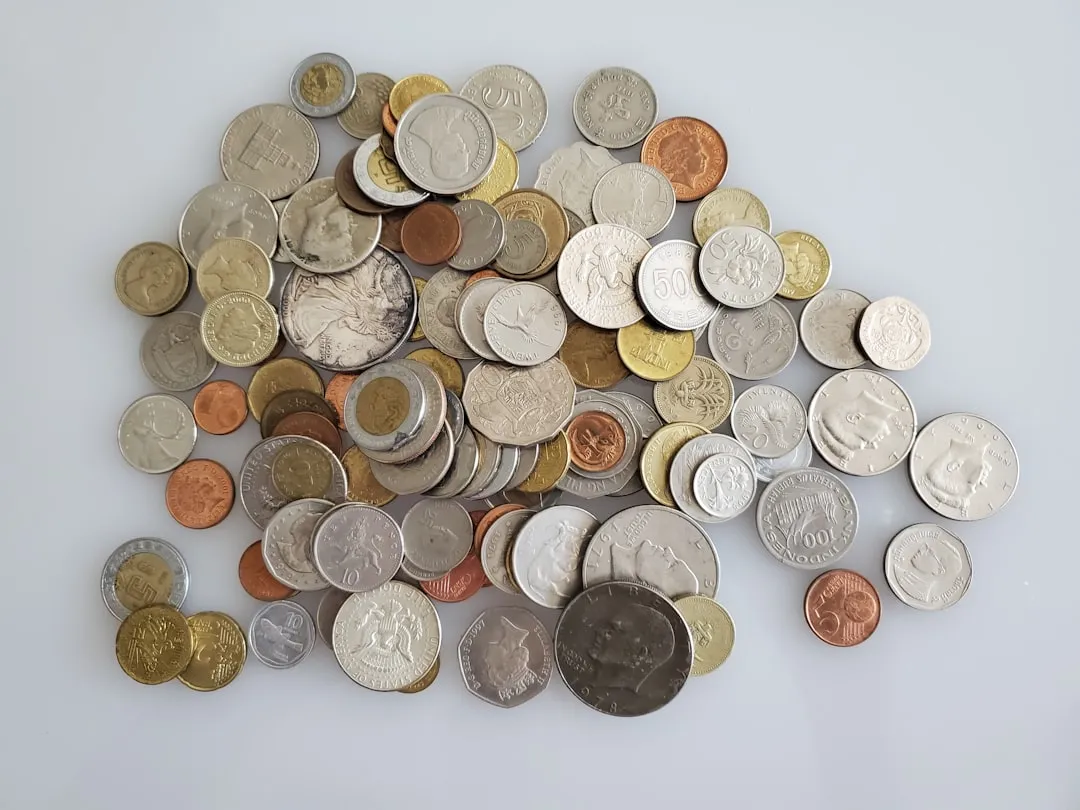
Rare coin specialists develop sophisticated evaluation systems that you need to understand when selling your collection. The typical process involves careful cleaning of the piece, photography from multiple angles, historical contextualization with reference in authoritative catalogs, and submission to a professional grading laboratory. A collector who gathered coins over twenty years may be surprised to discover that a coin considered common is worth 10,000 reals, while another that they thought was valuable reaches only 2,000 reals, due to subtle differences in condition or striking variant.
Authentication and Condition Evaluation
You must learn to identify counterfeit coins, as the market for replicas increases continuously following increases in prices. Modern counterfeit coins present admirable quality in some cases, making detection difficult for inexperienced eyes, while others possess obvious fraud characteristics such as inadequate weight, dimensions slightly different, or imprecise striking details. The best protection you have is to send valuable pieces to specialized professional laboratories such as PCGS, NGC, or equivalents, which provide certificates with guaranteed authentication.
The condition classification scale follows international standards that you must master before evaluating your collection. The numbering ranges from 1 (barely identifiable) to 70 (practically perfect), with intermediate gradations that precisely reflect the state of conservation. You will notice significant difference between an MS-65 coin and MS-66, as this single quality margin frequently represents the difference in value between 20 and 50 percent. Variations such as presence of original tone, undisturbed striking luster, and absolute absence of scratches and marks determine the final grade that the specialist assigns.
The provenance of a coin offers documentation of its ownership history, adding credibility and frequently increasing its value. You can trace coins that passed through important auctions, famous collections, or specific museums, creating a narrative that interests collectors. A coin that remained in the same private collection for 50 years has clear provenance, while a piece with no documented history can raise suspicion about its authenticity, even if genuine.
Storage, Security, and Maintenance
Proper storage of rare coins protects your investment against deterioration, theft, and accidental damage. You must absolutely avoid storing valuable coins at home without special protection, as theft represents a constant risk. The professional solution involves using a bank safe deposit box, specialized security deposit, or safety deposit box at a financial institution, where your coins receive protection against fire, humidity, and unauthorized access. Documenting the contents of your stored items with photographs and detailed description offers additional protection in case of loss, allowing you to prove coverage for insurance.
Humidity represents a silent enemy of metal coins, causing oxidation and discoloration that drastically reduce value. You can use appropriate storage containers such as PVC-free acrylic capsules or special paper envelopes for coins, keeping pieces in an environment with humidity control between 30 and 50 percent. Containers with desiccants specific to numismatic collections ensure that your coins remain in stable condition over the years, avoiding the future cost of professional restoration that never fully restores original condition.
Improper cleaning of rare coins commits a frequent error that you must avoid rigorously, as any homemade attempt to remove dirt can irreversibly damage the surface. You will observe that professionally cleaned coins in the laboratory lose significant value, while coins maintained in original condition even with dirt preserve their value better. The correct approach involves storing the coin in an appropriate holder that protects it from excessive handling, allowing specialists to determine whether cleaning is necessary when you decide to sell or formally evaluate the piece.
Market Trends and Investment Opportunities
The rare coin market presents cycles related to the general economy, collector demand, and discoveries of hoards that temporarily increase the availability of certain types. You can take advantage of these variations to buy when prices decrease due to many similar pieces being offered on the market, waiting later when demand normalizes. Recent examples show that Brazilian gold coins from the nineteenth century faced price pressure when several collections reached the market simultaneously, creating an opportunity for attentive buyers to acquire pieces at 15 to 20 percent below historical average price.
You will observe particular growth in interest for coins that represent specific historical periods, accompanying cultural and academic trends. Coins related to important historical figures, revolutionary periods, or significant events gain increased demand when these topics receive media attention. A practical scenario involves collectors focused on coins of historical female leaders, a category that expanded exponentially in the last decade as interest in women's history grew globally, creating new opportunities for specialists who position themselves in this niche.
Market digitalization through online auction platforms democratizes access to rare coins, allowing you to participate in international auctions without the need to travel. You can study historical prices of comparable pieces in specialized databases, establishing an informed budget before making bids. This market transparency benefits serious collectors who research adequately, while harming sellers who depended on buyer ignorance about true pricing.
Modern commemorative coins issued in limited runs offer a distinct opportunity from the market of old historic coins. You can acquire newly minted silver or gold coins that feature special design, pure metallic composition, and quantity of production guaranteed by the issuing government. These pieces begin as precious metal investment with robust historical performance, but some gain additional collection value as they age, especially editions that sold out quickly or those with design particularly appreciated by the international market.
You should monitor central bank decisions that frequently influence the market for metal coins, particularly announcements of new commemorative issues, suspension of existing programs, or changes in production quantity. An announced decrease in the production of collectible gold coins frequently precedes increased demand and prices, offering a window where astute collectors can accumulate pieces before appreciation. You will find this information in specialized publications and official announcements from mints, requiring that you maintain constant attention on the sector to identify opportunities.