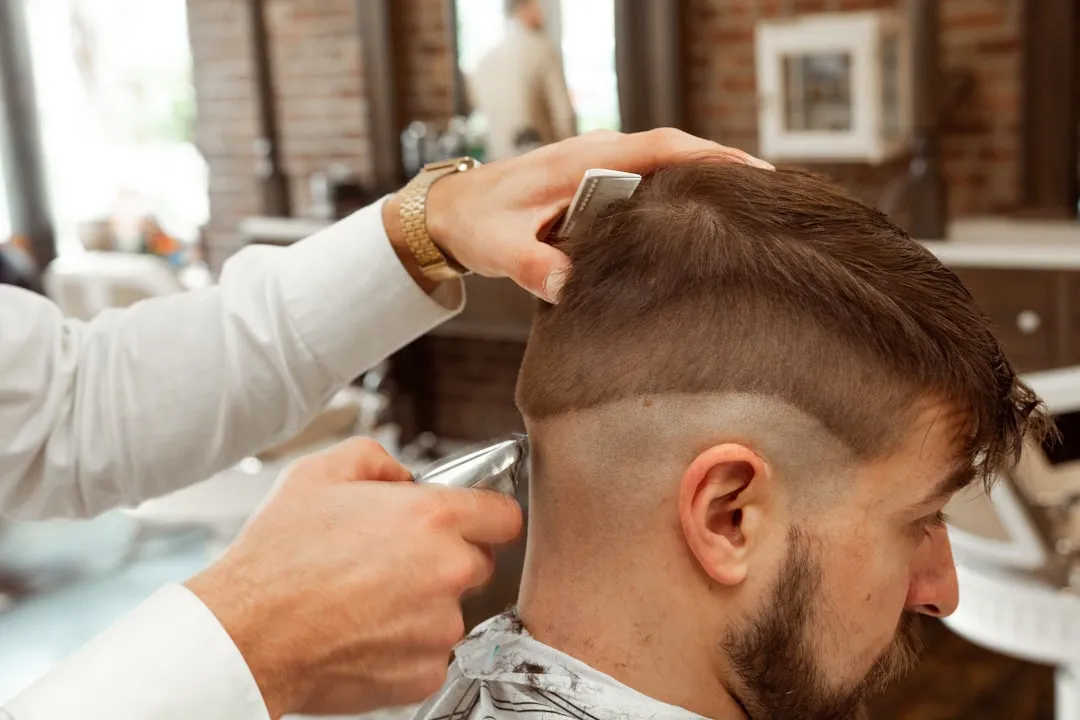
Choosing the right haircut is much more than just a simple aesthetic change. You need to consider your hair type, face shape, daily routine, and most importantly, what makes you feel confident and comfortable.
In this complete guide, you will learn how to identify which style adapts best to your profile, how to care for your cut after leaving the salon, and what are the most relevant trends of the moment. Let's explore the available options and help you make an informed decision about your appearance.
Understanding the Main Types of Hair Cuts
Hair cuts are divided into broad categories that facilitate your understanding and choice. The blunt cut is one that maintains uniform length throughout the entire hair strand, creating clean and defined lines. This type is especially indicated for straight hair and offers a classic and sophisticated appearance that works in different social and professional contexts.
The layered cut works different lengths to create volume and movement. This style is excellent for fine or disheveled hair, as it adds texture and lightness to your overall look. The layers can be more or less pronounced depending on your personal preference and the desired effect.
The textured cut is characterized by strands that end in finer and irregular tips, creating a more modern and casual appearance. You get natural movement and a contemporary touch that works well on various occasions. This cut requires regular maintenance to keep the ends trimmed and healthy.
The blunt cut, that is, one with straight and heavy termination, offers maximum definition and a much more striking visual impact. It is particularly effective at highlighting facial features and creating an immediate visual impact. This type requires greater precision from the professional and works better on hair with controlled texture.
Choosing the Ideal Cut For Your Face Shape
Your face shape is one of the main factors that should guide your choice of haircut. If you have a round face, cuts that create height at the top of your head are more advantageous, as they visually lengthen your face. Look for styles with layers that start above the shoulders and avoid cuts that are too voluminous on the sides of your cheeks.
For those with an oval face shape, consider yourself lucky, as this shape works well with virtually any haircut. You have the freedom to experiment with different styles, from the most classic to the most daring. Take advantage of this natural versatility to explore trends and discover what suits your personality best.
Square faces combine better with cuts that soften the angular lines of the jaw and chin. Opt for layers that fall gently along the face, creating a more rounded effect. Avoid very straight and heavy cuts on the jaw line, as they tend to emphasize this feature.
If your face is elongated or rectangular, fuller cuts on the sides help balance proportions. Consider options with more body at cheek height and avoid very long lengths that emphasize your natural elongation. Bangs can also be an excellent alternative to visually break up the length.
Triangular faces with a wide forehead benefit from cuts that add volume to the jaw and chin area. Short bangs can help balance the proportion, while denser layers at shoulder height create equilibrium. This face shape requires a careful approach that strategically distributes volume.
Considering Your Hair Type and Texture
The type of hair you have is fundamental in determining which cut will work best for you. Straight hair offers a perfect canvas for cuts with well-defined and clean lines, such as the blunt or traditional straight cut. The lack of natural texture allows the cut to remain more visible and controlled over time.
Wavy hair especially benefits from layered cuts that enhance the natural movement of the strands. You can take advantage of the wave to create volume and dynamism without the need for frequent adjustments. This hair type is very versatile and accepts everything from more structured cuts to more casual options.
Curly hair requires a special approach at the time of the haircut. Seek a professional who understands specific techniques for curly hair, such as layered cuts or textured cuts that respect the natural curl pattern. Avoid cuts that leave the hair too short at the root, as this can result in frizz and loss of definition.
Coily hair also needs particular care at the time of cutting. Opt for professionals who work specifically with this type of hair, as they know the most appropriate techniques to preserve the health and natural beauty of the strands. Well-done cuts on coily hair can enhance volume and texture in a very advantageous way.
The thickness and density of your hair also matter a lot in choosing your cut. Fine hair benefits from layers and textured cuts that create the illusion of volume without adding weight. Very dense hair can benefit from more structured cuts that control volume and create definition.
Comparing Different Styles: How to Choose the Best Option For You
When you are deciding between different haircut styles, it is fundamental to do a comparative analysis considering your personal factors. First, compare how each option behaves with your specific hair type, as a cut that works perfectly on straight hair may be completely inadequate for coily hair. Research real examples of people with characteristics similar to yours using that cut to have a more realistic view of the result.
Also consider the maintenance time that each cut requires from you. A flawless blunt cut requires frequent salon visits to keep the ends aligned and defined, while a textured cut offers more flexibility between touch-ups. Think about your current lifestyle: if you have little time for daily styling, choose cuts that look good with minimal intervention.
Compatibility with your accessories and clothing should also come into play. Some cuts work better with more formal styles, while others align more naturally with a casual and laid-back look. Evaluate whether the cut you are considering harmonizes with the wardrobe you normally wear and the image you want to project.
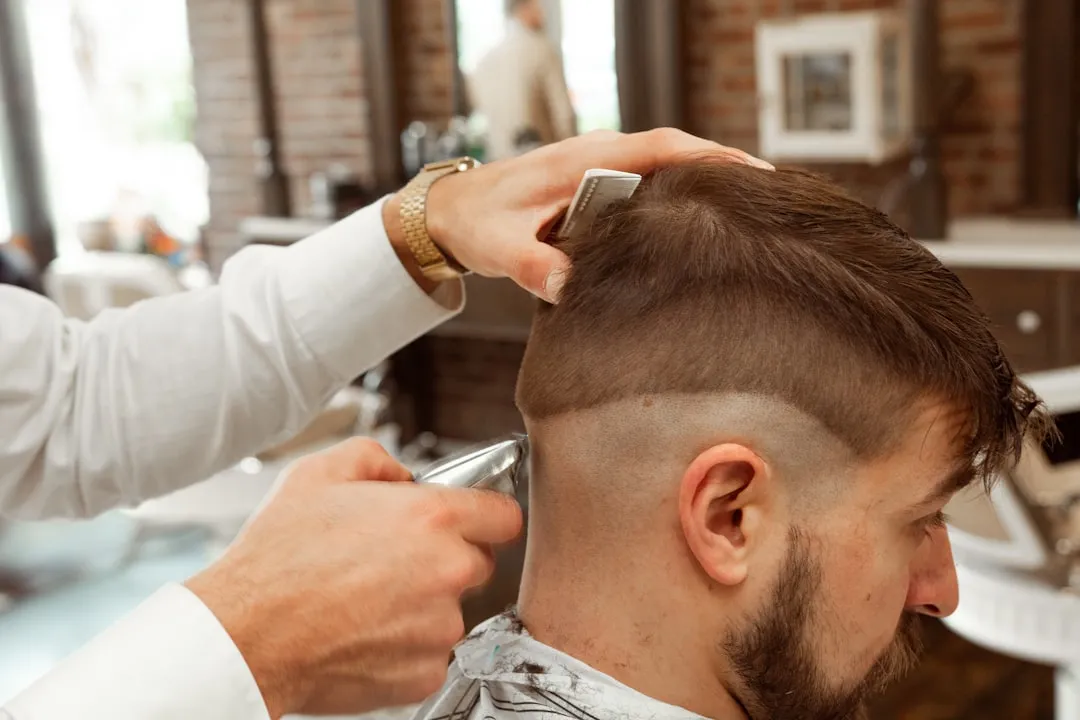
Talk to your hairdresser about current trends and how they apply to your specific case. A competent professional can show you examples of similar cuts on people with face shapes and hair types similar to yours. This pre-cut consultation is absolutely crucial to ensure that you and the professional are on the same page regarding the expected result.
Making a written comparison list can help you organize your preferences. Write down the pros and cons of each cut considering factors such as ease of maintenance, compatibility with your hair type, impact on your face shape, styling time, and how much you are willing to invest in regular touch-ups. This systematic approach makes the final decision much more confident and well-founded.
Current Trends in Hair Cutting
Hair cuts constantly evolve and keeping up with trends can help you keep your look modern and updated. The very short cut or pixie cut continues to be in style, offering practicality and a very striking look for those who have the courage to dare. This style is especially interesting if you have a face shape that benefits from exposure, such as faces with good facial proportions.
The wolf cut, which combines characteristics of the grunge style with more refined elements, has gained immense popularity in recent times. It offers volume at the top, textured layers, and a casual appearance that works on various hair types. This cut is particularly versatile and can be adapted for different levels of boldness and conservatism.
The shag cut has returned with strength and modernity, bringing with it the vibe of the seventies with contemporary techniques. You get movement, texture, and a casual look that celebrates the nature of your hair. This style works especially well on hair with some natural wave or texture.
Short and structured bangs are in high demand, mainly the short bang that ends well above the eyebrows. You can use this element to completely transform an ordinary cut into something much more modern and fashion-forward. The bang offers the opportunity to make a significant change without compromising the overall length of your hair.
Well-defined and geometric cuts also continue to stand out for those who prefer a more structured look. These cuts offer visual cleanliness and work particularly well on straight or slightly wavy hair. Sharp definition and distinct lines create a very strong and professional visual impact.
Essential Care After the Haircut
After leaving the salon with your new haircut, you need to follow an appropriate care routine to keep the result looking beautiful for longer. The first few days after the cut are critical, as your hair is still adjusting to the new shape. Avoid washing your hair for the first two days if possible, allowing natural oils to protect the freshly cut strands.
Maintain a consistent moisturizing routine to keep your strands healthy and looking good. Use shampoos and conditioners appropriate for your hair type and avoid overly heavy products that can weigh down the volume created by the cut. Apply hydrating masks once a week to revitalize the strands and prevent drying.
Proper styling is essential for your haircut to show its maximum potential daily. Invest in a quality hair dryer and combs or brushes suitable for your hair type. Learn the drying techniques that your hairdresser recommends, as this can make all the difference between a mediocre result and a spectacular one.
You should schedule touch-ups regularly to keep your cut impeccable, especially if you chose a style that requires constant definition. The frequency of touch-ups varies depending on the type of cut: more structured cuts may need adjustments every 4-6 weeks, while more casual cuts work well with longer intervals. Talk to your hairdresser about the ideal frequency for your specific cut.
Protection against environmental damage is equally important to preserve the health of your hair. Use products with UV protection if you spend a lot of time in the sun, as ultraviolet rays can damage your strands and cause drying. Avoid excessive exposure to pool chlorine or seawater without protection, applying a leave-in conditioner before swimming when possible.
General diet and hydration of your body also significantly impact hair quality. Consuming enough water, proteins, omega-3s, and B-complex vitamins contributes to naturally stronger and shinier hair. Your hair reflects your overall body health, so caring from the inside out is just as important as external care.
How to Effectively Communicate Your Vision to Your Hairdresser
One of the biggest reasons people are dissatisfied with their haircuts is the lack of clear communication with the professional. Before your consultation, gather visual references of cuts you like by searching on social media platforms or hairdresser portfolios. Take these images to the salon and discuss specifically what you like about each one, mentioning details such as length, layers, and texture.
Use precise language when describing what you want, avoiding very subjective or vague terms. Instead of saying you want a "fluffy" cut, specify that you want volume at the crown with layers that start mid-head. The more concrete details you provide, the better the professional can understand your vision and execute it accurately.
Ask important questions about maintenance and styling during your consultation. Ask your hairdresser how long the cut will take to grow before needing a touch-up, how you should style your hair daily to get the best result, and what products he recommends. A responsible professional will be transparent about these practical matters.
Do not be afraid to make adjustments in the first few weeks after the cut if something does not feel right. Many salons offer a free review period within a few days if you are not completely satisfied. This is the perfect opportunity to make small adjustments that transform a good cut into a perfect one for you.
Establish an ongoing relationship with a hairdresser you trust and who understands your vision. Over time, this professional will learn your preferences, natural characteristics, and specific needs, making each subsequent cut more accurate and satisfactory. Loyalty to a good professional usually results in better results and more personalized service.